News
Easy panini
June 16, 2005
 ChatGPT
 Grok
Grok Perplexity
 Claude
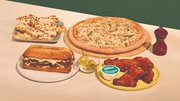
In Italian, panino (plural, panini) literally means "bread roll," but in a growing number of U.S. restaurants and pizzerias, it has become a sandwich like few others.
The most common panino is built on either sliced cibatta or focaccia bread, filled with meats and/or vegetables and cheeses, and heated on a ribbed sandwich press. The telltale sign of a true panino press is the dark, crisp stripes left on the bread.
Wanting to tap into the panino trend but skip spending hundreds of dollars on a hot press, many operators have learned to toast them open-faced. Others have gone a step further by cross-utilizing existing inventory, such as parbaked pizza shells, to make panini.
|


"The flavor of the shell is outstanding because it's double-baked from top to bottom," said Fox, explaining how both sides of the shell are browned lightly in production at the factory. The process also leaves the telltale stripes of pressed panino, he said.
Positioning is key
Fox's serves its Wedgies with fillings traditionally found in hoagies and subs, but many operators are using more upscale products, such as prosciutto, salciccia, roasted peppers, smoked fresh mozzarella and veal.
George Michel, president of parbaked crust manufacturer Tomanetti's Pizza, said many of his customers have created a whole new menu category by using his parbaked product for panini. Sold under the more exotic-sounding Italian name, he said those customers are commanding a higher price than what they'd normally get for a sub.
"Since it's such a marketable item, they are able to charge a premium price," said Michel, whose company is in Oakmont, Pa. "On average, people are getting about 25 percent more for a panini than they are (for) a hoagie. Yet they're the same exact portions."
Michel said the stability of the parbaked shell leads many of his customers to pre-assemble their panini for greater speed of service.
"All he has to do is keep it in his reach-in, and when an order comes in, he pops it in his oven," Michel said. "The operator can cook it right on the rack, on a pan or right on a griddle or cook top. You need no extra equipment to create a whole new section on your menu."
Asked if the cost of a parbaked shell raises his food cost much, Fox said, "It's pretty much a wash, really, maybe a nickel more per sandwich, which is not a lot."
"What's great is you can freeze the shells if you need to, and you don't want to do that with fresh bread. But we never need to freeze them because we go through so many so fast," he said.
Related Media
Subscribe
Get the latest news and resources from Pizza Marketplace.
Recent Posts