Operations
5 ways Super Bowl delivery success translates to year-round revenue
By leveraging AI dispatch, hybrid fulfillment models and transparent communication, pizza operators can transform the extreme logistical pressure of Super Bowl Sunday into a repeatable blueprint for year-round operational success and customer retention.
January 26, 2026 by Alex Vasilkin — Co-Founder & CEO, Cartwheel
 ChatGPT
 Grok
Grok Perplexity
 Claude
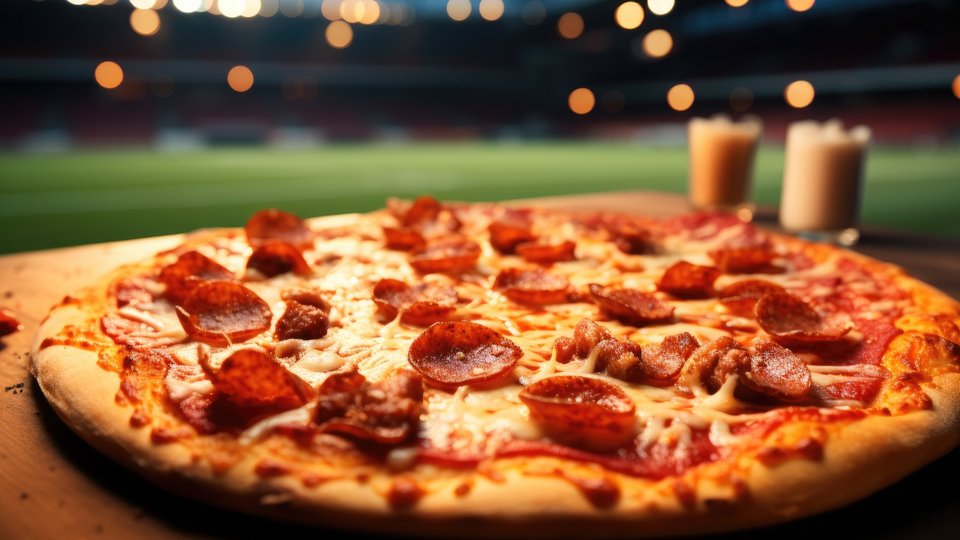
This year, Super Bowl Sunday falls on the same weekend as National Pizza Day, creating a perfect storm of pizza demand. Super Bowl Sunday already drives the highest pizza delivery volumes of the year, and with National Pizza Day on February 9, pizza operators are facing back-to-back peak days where orders spike within tight time windows, kitchens run at capacity and delivery teams have zero margin for error.
But the pizza brands that execute flawlessly on game day aren't running special playbooks. They've built delivery infrastructure that scales to peak demand as a baseline, making every other Saturday night manageable by comparison.
The operational choices that determine Super Bowl success are the same ones that separate leaders from laggards every Friday dinner rush, Valentine's Day and Pi Day. Here are five principles that work when volume peaks — and why they matter 365 days a year.
Set clear expectations and communicate in real time
Communication drives customer satisfaction during peak demand. Customers forgive delays when they understand what's happening and can trust the information they receive.
Real-time order tracking, accurate ETAs and proactive notifications reduce customer calls and manage expectations before frustration builds. Operators with full visibility into active deliveries identify potential delays early and communicate clearly, preserving trust even when volume peaks.
This isn't just a Super Bowl strategy. Transparent communication builds customer confidence every day of the year, creating the trust that drives repeat orders.
Control delivery capacity without slowing the kitchen
Super Bowl demand rarely aligns with in-house driver availability. Relying on one fulfillment model leads to bottlenecks, missed promises or unnecessary manual decisions during the busiest hours.
Hybrid delivery models balance in-house and third-party fulfillment based on real-time conditions. Orders route automatically using distance, order value, time of day and driver availability, ensuring consistent execution without slowing operations.
Operators using hybrid delivery combined with AI dispatch see delivery times improve up to 25% during peak demand. But the real value shows up every weekend, when you're not scrambling to manually decide which orders go where.
Remove manual dispatch bottlenecks
Every manual step becomes a liability during major events. Manually routing orders, reassigning drivers mid-rush or reacting to issues after they occur adds friction when teams can least afford it.
AI-powered dispatch removes this burden by continuously optimizing assignments in the background. Orders route instantly and consistently, allowing staff to focus on food quality, prep speed and customer service rather than firefighting operations. Across multiple pizza chains, AI-powered auto-dispatch has been proven to save managers three hours per day — time that's especially valuable during peak periods like the Super Bowl.
On Super Bowl Sunday, this prevents operational collapse. On Tuesday nights, it saves your managers hours of decision-making overhead and lets them focus on running the restaurant.
Protect your brand, no matter who delivers
From the customer's perspective, the delivery experience belongs to the restaurant, regardless of who's behind the wheel. When something goes wrong, the brand takes the hit.
Maintaining a consistent, branded delivery experience across all fulfillment types protects brand perception on high-visibility days like the Super Bowl. Branded tracking, clear communication and post-delivery touchpoints keep the restaurant front and center, reinforcing trust even when third-party drivers are involved.
First-time customers on Super Bowl Sunday don't know if it's your driver or a third-party service. They just know whether your pizza arrived hot, on time and with a professional experience. That perception determines whether they order again in March.
Turn game-day orders into repeat customers
Super Bowl Sunday brings an influx of first-time and infrequent customers. The opportunity doesn't end when the game does.
Restaurants that follow up with clear post-delivery communication, bounce-back offers, or loyalty incentives convert game-day customers into regulars. A smooth delivery experience paired with thoughtful engagement creates momentum that extends well beyond a single event.
The customers you acquire on Super Bowl Sunday become your weeknight delivery orders if you execute the experience right. Game day is customer acquisition. The rest of the year is customer retention.
Peak performance as standard operating procedure
The biggest delivery day of the year exposes which pizza brands have built infrastructure that scales and which ones are held together by manual workarounds and heroic staff effort.
Pizza brands using real-time visibility, hybrid delivery and AI-powered dispatch don't just survive Super Bowl Sunday, they use it as validation that their systems work under the most demanding conditions. When you can handle Super Bowl Sunday without chaos, you've built a delivery operation that creates competitive advantage 52 weeks a year.
The difference between thriving on game day and barely surviving it comes down to infrastructure choices made long before kickoff. The winners aren't getting lucky. They've built operations where championship-level volume is the expected baseline, not the exception.
Strong execution on Super Bowl Sunday proves your delivery systems work. Strong execution the rest of the year is what actually builds your business.
About Alex Vasilkin

Alex Vasilkin is the co-founder and CEO of Cartwheel. As a business leader and entrepreneur with over ten years in the delivery space, Alex Vasilkin has a passion for transformative technology that fuels business success. Cartwheel is the the leading technology provider powering the delivery operations of top restaurants like Portillo’s, P.F. Chang’s and Potbelly, where he is responsible for the strategic vision and day-to-day operations that drive Cartwheel’s impressive growth.
Related Media
Subscribe
Get the latest news and resources from Pizza Marketplace.
Recent Posts