Operations
Delivery drives sales; does it drive profit?
To ensure delivery drives profit rather than just volume, restaurant operators must move beyond top-line sales and rigorously track four key financial indicators: direct-order share, repeat-order rates, promo dependency and net profit per order.
April 30, 2026 by Li-ran Navon — CEO, Sauce
 ChatGPT
 Grok
Grok Perplexity
 Claude
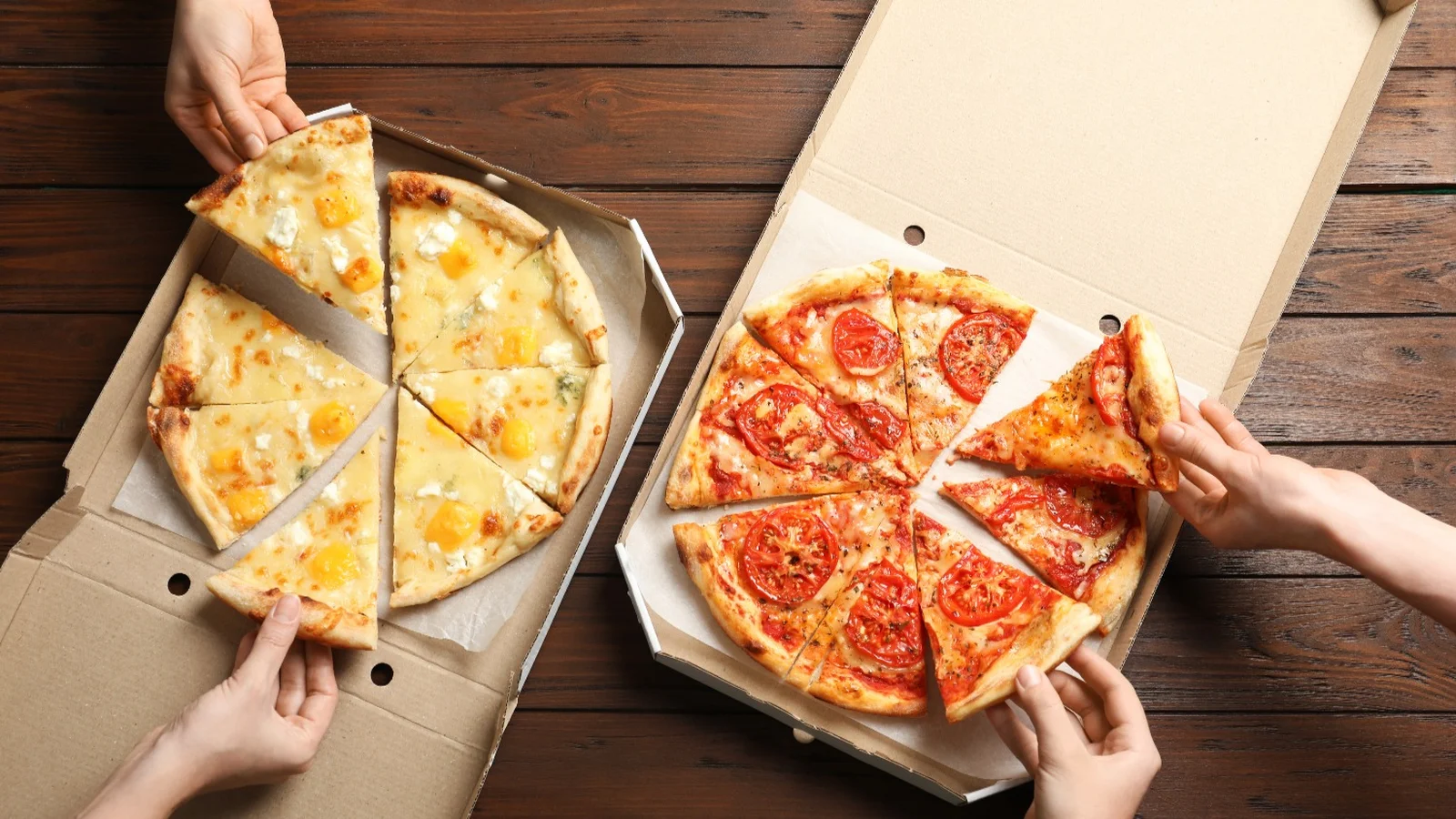
Before third-party apps, pizza defined delivery. Operators built predictable, high-margin businesses on phone orders, in-house drivers, and loyal repeat customers.
Today, the economics are more complex. Commission structures vary by channel, digital ordering adds new costs, and promotions often prop up volume. Restaurants can post strong online sales while profits quietly shrink.
Revenue alone doesn't tell the story. Operators need to evaluate delivery with the same financial discipline as any core expense — measuring whether sales growth drives durable profit or erodes margin as volume rises.
Tracking four core indicators reveals what's truly driving performance—and where delivery economics begin to break down.
Direct-order share
Direct-order share is how much delivery volume comes through channels a restaurant controls, such as its own website, compared with third-party marketplaces. Marketplace platforms offer visibility and convenience, yet they also reduce margin and limit access to customer data.
Many operators find that a substantial portion of marketplace orders come from returning guests who already know the brand. When loyal customers order through high-commission channels, the restaurant absorbs costs that add little incremental value.
Tracking direct-order share over time reveals whether customer relationships grow stronger or whether dependence on outside platforms increases. Restaurants that steadily grow direct volume often retain more margin and gain clearer insight into guest behavior.
Repeat-order rate
Repeat-order rate measures whether delivery customers return within a defined period, such as 30 or 60 days. Consistent repeat activity signals satisfaction with food quality, delivery speed and overall experience.
Weak repeat behavior may indicate service inconsistencies or heavy reliance on short-term incentives. Monitoring repeat patterns helps operators estimate lifetime value and forecast demand more accurately.
A stable base of returning delivery customers creates predictability in staffing and purchasing decisions. Sporadic one-time transactions often force restaurants to keep spending on promotions to maintain volume.
Promo dependency
Promo dependency captures how frequently delivery transactions require a discount to close the sale. Occasional promotions can support specific goals, including introducing a new product or driving traffic during slower periods.
Persistent discounting narrows margins and trains customers to expect incentives. When a large share of orders relies on coupons or third-party offers, pricing power weakens and removing promotions can trigger sudden volume declines.
Tracking promo dependency helps operators test demand without incentives and refine offer timing. Restaurants can keep promotions available as a tool rather than a permanent requirement.
Profit per delivery order
Profit per delivery order calculates contribution after food cost, labor, packaging, payment processing and commissions. Many restaurants track ticket averages but do not evaluate net contribution at the order level.
Order-level profitability often reveals differences between direct and marketplace channels. Some delivery zones may generate lower margins once mileage and driver time are factored in. Certain menu items may produce higher refund or remake rates.
Even modest improvements in contribution per order can compound quickly when delivery volume is high. Operators can adjust pricing, service areas or menu mix with confidence once they understand the numbers.
Managing delivery with intention
Pizza built its reputation on delivery, and that reality has not changed. What has changed is the level of oversight required to keep it profitable. Operators who track direct-order share, repeat-order rate, promo dependency and profit per order gain a clearer understanding of how delivery performs beneath the surface.
Consistent measurement supports smarter decisions on channel mix and pricing strategy, while also highlighting operational pressure points before they become structural problems. Attention to delivery performance over volume secures your margin.
A disciplined approach allows restaurants to preserve the strength that delivery has always brought to the category while adapting to today's cost structure with confidence.
About Li-ran Navon

Entrepreneur, founder, and CEO, Li-ran has led Sauce from day one, focused on helping independent restaurants thrive in a digital world, taking the company from scratch to eight figures in revenue. When not balancing the demands of a fast-growing company and three babies, Li-ran makes time to read books, fly planes, snowboard, hike, rescue dive and play the piano and trumpet.
Related Media
Featured Vendor

HungerRush brings every part of your restaurant together — orders, guests, data — in one platform built for fast casual and quick-serve multi-location brands ready to grow.
Subscribe
Get the latest news and resources from Pizza Marketplace.
Recent Posts

Recent Podcasts