Operations
Pizza’s competitive reset: Why demand isn’t dying, it’s evolving
While pizza is no longer the "default" delivery choice, brands can still drive growth by pivoting from broad discounts to a disciplined, tech-enabled focus on speed, order accuracy, and personalized loyalty.
February 19, 2026 by Bill Mitchell — CEO, HungerRush
 ChatGPT
 Grok
Grok Perplexity
 Claude
Recent headlines suggest pizza is losing momentum, pointing to softer demand and increased competition. That doesn't reflect what is really happening in the market. There is still a strong demand for pizza, it's just no longer the only go-to option for diners looking for convenient and affordable food delivery. The change is not about demand disappearing. It is about a more competitive delivery environment.
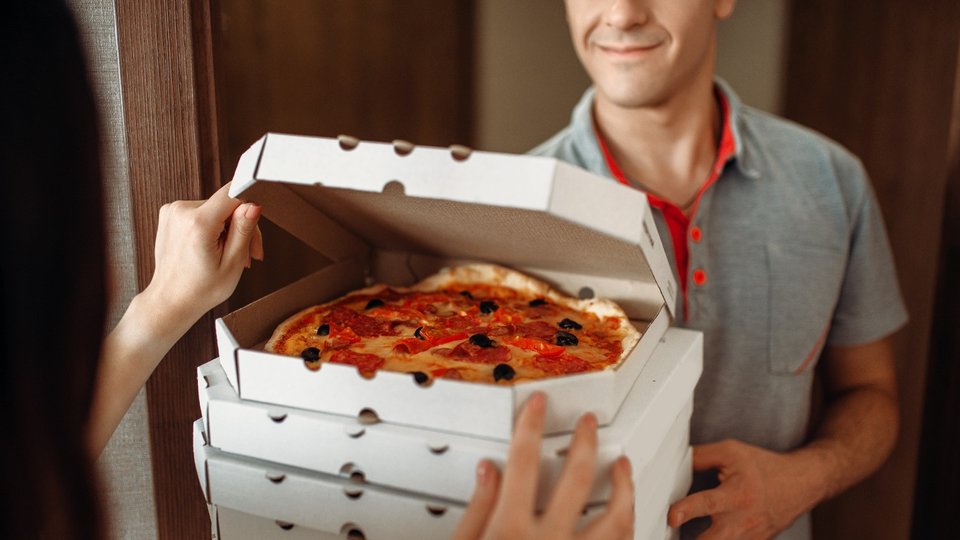
For years, pizza was the easy answer for delivery. If you wanted food brought to your door, you ordered pizza. Today, all kinds of cuisines can be delivered just as easily, and consumers are taking advantage of that. In fact, a recent analysis from The New York Times found that nearly three out of every four restaurant orders in the U.S. are eaten off-premise. Off-premise dining is now the norm, not the exception. In that environment, pizza is no longer the default.
Pizza still performs well in shared occasions such as family dinners, team events and group gatherings. That has not changed. But individual routine-driven orders are different. Coffee in the morning, a quick salad at lunch or a high-protein dinner at the end of the day are all delivery occasions that did not historically uniquely belong to pizza. Growth now depends on how consistently brands earn the order in a crowded delivery environment.
Value perception is shifting beyond price alone
Today's consumers aren't only defining value by price. HungerRush research shows that while 67% of diners cite price as a primary factor in choosing where to eat, convenience and location (51%) and speed of service (48%) are nearly as influential. In practice, value comes down to how easy it is to order, how reliably the food arrives and whether the experience meets expectations every time. That expectation has sharpened in a tighter economic environment.
Inflation has not stopped people from eating out. 93% of consumers still visit a QSR or fast casual restaurant at least once a month. The demand is steady. What has changed is patience. Long waits, inaccurate orders or unclear communication are less acceptable than they used to be. In a tighter economy, execution matters more.
Today, consumers view value as a combination of affordability, speed, accuracy and reliability – all of which must be delivered consistently.
Revamping pizza for today's digital consumers
Familiarity may get a brand considered, but consistent performance is what earns the repeat order. Domino's is a clear example. The company has stayed focused on how today's diners prefer to order, and it has supported that with digital ordering and value-led promotions. That focus shows up in the numbers. Domino's reported revenues increased $66.9 million, or 6.2%, in the third quarter of 2025 compared to the third quarter of 2024.
By investing in digital ordering and making it easy for customers to act on value, Domino's has aligned with how people actually order today. In a more competitive market, that alignment supports continued growth.
Technology as an enabler of consistency and positive guest experiences
Technology is not just a differentiator. It is part of meeting guest expectations. HungerRush research shows that 57% of diners say mobile ordering apps have improved their experience, while 69% say real-time order updates are important. More than half (51%) would use more technology if it resulted in faster service.
That shift does not eliminate the human element. HungerRush research on AI in dining found that 87% of consumers say it is important to reach a human staff member when needed, and 38% still prefer ordering in-store with staff, followed by 26% at the drive-thru.
The balance is practical. Technology should not replace people. It should strengthen the operation by reducing friction, improving order accuracy, and removing unnecessary operational burden so teams can focus on the guest.
Personalization and loyalty in a choice-driven market
In a crowded, cost-conscious market, broad discounting becomes far less effective. HungerRush research shows that 57% of consumers prefer offers based on their order history, compared to 34% who prefer generic discounts.
For operators, the implication is operational. Blanket promotions may generate short-term traffic, but they often dilute margin. Customers respond more consistently to offers that reflect their purchasing behavior.
Structured loyalty programs create that discipline. When used correctly, personalization strengthens repeat business while protecting profitability.
The path forward for pizza
In a more competitive market with greater consumer choice, pizza brands must focus on disciplined execution across the entire operation. That includes reliable in-store performance, efficient delivery, streamlined digital ordering and structured loyalty programs that strengthen repeat business and protect margins.
Pizza continues to perform well when customers are feeding families or larger groups. Long-term growth will depend on how consistently brands deliver on affordability, speed, accuracy and reliability.
Brands that align operations, technology and customer engagement will protect their share and position themselves for steady growth.
About Bill Mitchell
Bill Mitchell is the Chief Executive Officer of HungerRush. With over 30 years of executive leadership at iconic companies such as Papa John’s, Dunkin’, and Cicis Pizza, Bill has earned a reputation for revitalizing brands, scaling operations, and building high-performing teams. As CEO, he is driving HungerRush’s vision forward—accelerating innovation, fueling customer growth, and empowering restaurants to stay competitive in a constantly evolving market.
Included In This Story

HungerRush
The POS Partner Behind Every Great Guest Experience
HungerRush brings every part of your restaurant together — orders, guests, data — in one platform built for fast casual and quick-serve multi-location brands ready to grow.
Related Media
Subscribe
Get the latest news and resources from Pizza Marketplace.
Recent Posts