Operations
Synergy in a slice: Inside the dual-concept model driving Hungry Howie’s Texas expansion
Entrepreneur Jay Dhaliwal is leveraging a high-traffic "one-stop-shop" model in Fort Worth by operating a lean Hungry Howie’s franchise within a co-branded gas station and liquor store complex focused on community engagement and operational efficiency.
April 2, 2026 by Mandy Wolf Detwiler — Editor, Networld Media Group
 ChatGPT
 Grok
Grok Perplexity
 Claude
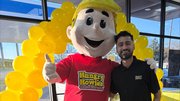
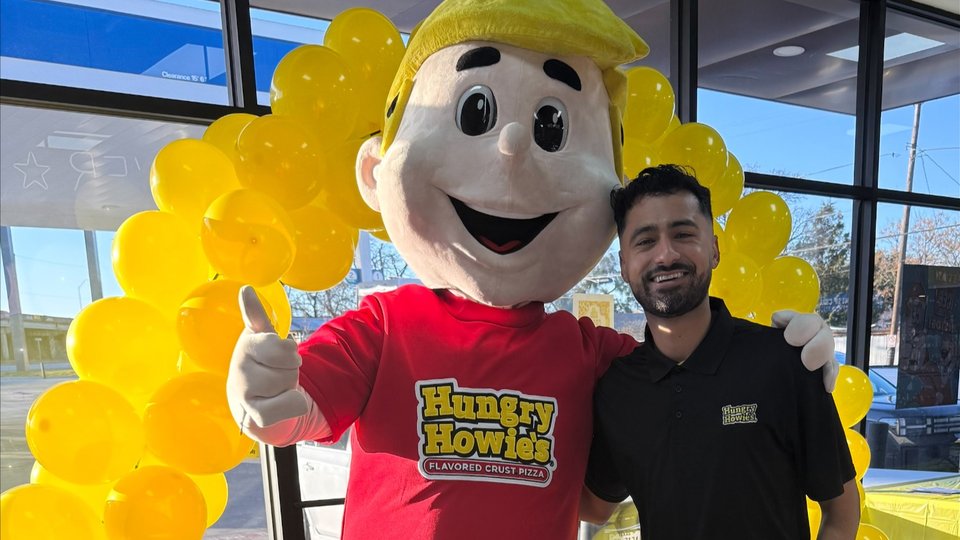
In January, Hungry Howie's franchisee and entrepreneur Jatinder "Jay" Dhaliwal opened a store within a newly built complex that includes a gas station and liquor store in Fort Worth, Texas.
The result? One of the region's most convenient one-stop shopping and dining destinations.
The Hungry Howie's location also serves several nearby schools and Texas Wesleyan University which is just a mile away. With 680 square feet, the location celebrated its opening with specials and giveaways.
Dhaliwal chose Hungry Howie's after researching several franchise options and finding the brand especially willing to collaborate on a footprint of this size, according to a press release.
"From day one, Hungry Howie's worked closely with us to design a layout that fit our space without compromising my vision," Dhaliwal said in the release. "The support has been hands-on, personal and extremely collaborative. It's also one of the best pizzas out there. The flavor, quality and value surpass major competitors, and there's huge potential to grow the brand in Fort Worth, especially among families and younger consumers."
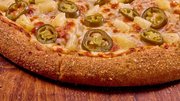
Hungry Howie's is known for its flavored crust. The brand has more than 500 stores in 19 states across the U.S.
Pizza Marketplace reached out to Dhaliwal in an email interview to learn more about his dream of entrepreneurship, how the gas station location is running and how operating lean is good for business.
Q: You mentioned your goal was to create a one-stop destination. Beyond convenience, what specific consumer behaviors did you notice in Fort Worth that made you confident a pizza-gas-liquor trio would thrive here?
Dhaliwal: First, there's a strong "one-stop-shop" mindset. Consumers consistently look to maximize efficiency, especially busy families, shift workers and commuters. In high-traffic corridors and near residential growth areas, people prefer to consolidate errands into a single stop. When fuel, food and alcohol are available together, it eliminates multiple trips and increases attraction organically.
Second, Fort Worth has a strong culture of social gatherings: backyard barbecues, game-day watch parties, rodeo events and family get togethers. Pizza is a natural group food, and liquor sales tend to rise around those same occasions. The overlap between "fueling up for the week," "grabbing dinner" and "picking up beverages for the evening" is significant. That cross-occasion behavior creates built-in synergy between the three categories.
Third, I noticed a high level of impulse purchasing. Consumers frequently enter for gas and leave with snacks, drinks or prepared food. By positioning fresh, hot pizza alongside alcohol and convenience items, you capture both planned and impulse purchases. In many cases, consumers weren't just buying what they came for, they were open to add-ons if the offer was visible, fast and well-priced.
Additionally, Fort Worth's blue-collar and commuter-heavy workforce values speed and value. Quick-service food options that are affordable, consistent and available late perform well. A pizza-gas-liquor combination supports multiple dayparts; lunch, after-work, late night, while leveraging the steady traffic fuel brings in.
Finally, population growth and suburban expansion create micro-markets where traditional full-service restaurants may not yet be established. In those areas, a hybrid model becomes more than convenient; it becomes a community hub.
It was always my vision to be a part of the community, while building a community.
Q: A 680-square-foot footprint is remarkably lean for a pizza kitchen. What were the biggest hurdles in designing this layout, and how did you ensure the kitchen remains efficient during a dinner rush?
Dhaliwal: First and foremost, it takes a creative genius to pack so much into such a small footprint, but thankfully Hungry Howie's had the answer to that! The primary challenge was ensuring we had adequate storage and prep capacity to support sales volume without compromising workflow.
Understanding operational flow was critical. Every station was strategically positioned to minimize steps, reduce bottlenecks and maintain a seamless production line. In many ways, the smaller footprint works to our advantage. With a streamlined layout, team members can move efficiently between stations, allowing one person to cover more ground and complete multiple tasks effectively.
This intentional design enables us to operate with a lean team while maintaining speed, accuracy and consistency, even during a high-volume dinner rush.
Q: Hungry Howie's is entering a competitive Texas pizza market. How does the "Flavored Crust" USP (unique selling proposition) help you stand out against the bigger, more established chains in the Metroplex?
Dhaliwal: Hungry Howie's "Flavored Crust" is a true point of differentiation in a crowded Texas pizza market because it gives consumers something the larger, more established chains simply don't own. In a space where most competitors compete on price, speed or limited-time offers, Flavored Crust is a built-in product advantage that enhances every pizza we sell. It's not a seasonal promotion; it's part of our core identity. What other brand can offer 40,000 flavor combinations?
Q: How do you plan to leverage the gas station foot traffic? For example, will there be specific cross-promotions — like a discount on a slice with a fill-up — to convert commuters into pizza customers?
Dhaliwal: Yes, we absolutely plan to implement cross-promotions. It adds value and benefit to both businesses. They are already stopping here; we will simply give them a compelling reason to add pizza to their routine. The Hungry Howie's name is in their face everywhere they look: windows, the gas station counter and every gas pump.
Studies show that over 65% of gas station/c-store food and beverage purchases are impulsive, ranking these consumers more impulsive than any other retail sector's consumers. You add a promotion into the mix and it increases the impulsive tendency of the consumer.
Q: You moved from a major tech hub to Texas to build this from the ground up. What has been the most surprising difference in the business culture or customer expectations here in Fort Worth compared to California?
Dhaliwal: One of the most surprising differences has been the emphasis on relationships and community in Fort Worth. In California, especially in a major tech hub, the business environment moves incredibly fast. It's very data-driven, innovation-focused and often transactional. Here in Fort Worth, business is still strategic and competitive, but it's much more relationship centered. People want to know who you are, what you stand for, and whether you're invested in the community long term.
Customer expectations reflect that as well. In California, convenience and speed tend to dominate the conversation. In Fort Worth, while convenience absolutely matters, hospitality carries more weight. Guests expect to be greeted, appreciated and remembered. There's a strong sense of loyalty when you earn it, and that loyalty can be incredibly powerful for a growing brand.
Q: In a digital age, you've installed a physical community bulletin board. Why was it important to you to provide a low-tech space for local churches and schools to connect, and what has the response been so far?
Dhaliwal: It is important to reach the consumer where they are at. In some areas, the digital reach isn't as profound as something tangible, or it doesn't resonate with 100% of the people in your community. Community is about togetherness and inclusivity, so I wanted to ensure 100% of the people in my community could be reached where they were at. Not to mention, in such a digital, fast-paced era, there is something nostalgic about standing in front of community bulletin boards, making connections.
Q: You've expressed interest in expanding. Do you see this co-branded gas station model as the primary vehicle for Hungry Howie's growth in Texas, or was this a unique one-off project for this specific site?
Dhaliwal: After developing this concept to completion, I'm confident this is the right path forward, at least for me personally. The dual-concept model creates a built-in advantage: the gas station already drives consistent foot traffic, giving us a steady stream of potential customers walking through the door every day. When you combine that built-in convenience with the impulse-buying nature of food purchases — and layer in the bold, craveable flavors that Hungry Howie's is known for — it becomes a natural fit. It's a smart, strategic pairing that simply makes sense.
About Mandy Wolf Detwiler

Mandy Wolf Detwiler is the managing editor at Networld Media Group and the site editor for PizzaMarketplace.com and QSRweb.com. She has more than 20 years’ experience covering food, people and places.
An award-winning print journalist, Mandy brings more than 20 years’ experience to Networld Media Group. She has spent nearly two decades covering the pizza industry, from independent pizzerias to multi-unit chains and every size business in between. Mandy has been featured on the Food Network and has won numerous awards for her coverage of the restaurant industry. She has an insatiable appetite for learning, and can tell you where to find the best slices in the country after spending 15 years traveling and eating pizza for a living.
Related Media
Subscribe
Get the latest news and resources from Pizza Marketplace.
Recent Posts