Delivery
Cartwheel shifts restaurant delivery into high gear
Hungry Howie’s is among the pizza brands embracing a more flexible approach to delivery, and is leveraging delivery software company Cartwheel to do it. Hear from Cartwheel CEO Alex Vasilkin on the company's early days, its saving grace and why they'll never stop putting customer needs first.
September 23, 2026 by Valerie Gritton
 ChatGPT
 Grok
Grok Perplexity
 Claude
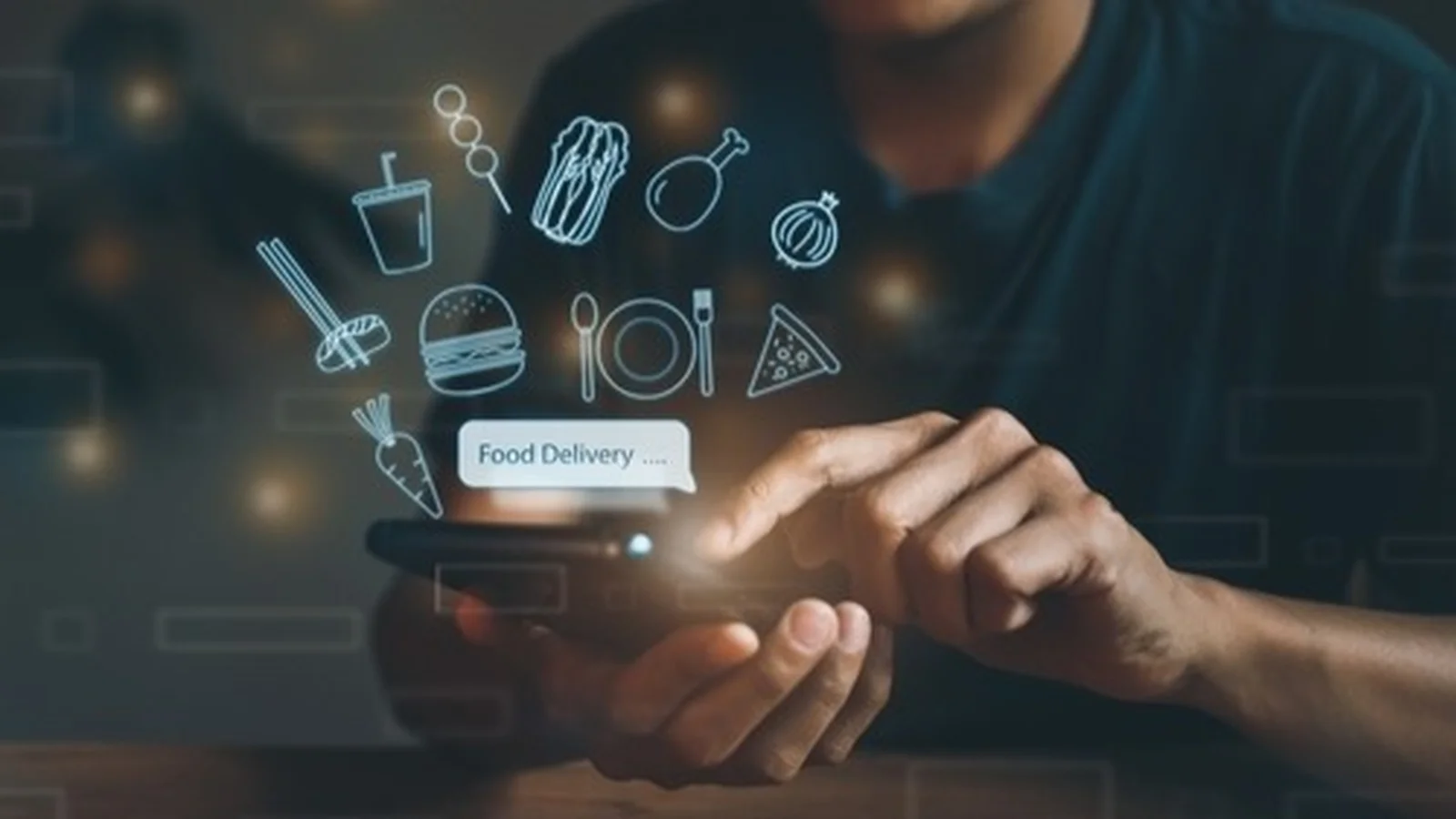
Hungry Howie's is among the pizza brands embracing a more flexible approach to delivery, one that allows restaurants to combine their own drivers with third-party fleets rather than choosing between the two.
The pizza chain is working with Cartwheel, a delivery management platform now deployed across more than 350 restaurant brands. The relationship illustrates how pizza operators are rethinking delivery as demand fluctuates, staffing challenges persist and new technologies emerge.
For Cartwheel co-founder and CEO Alex Vasilkin, the opportunity extends beyond simply connecting restaurants with drivers. He sees significant potential in a hybrid model that allows operators to rely primarily on their own delivery teams while tapping outside fleets during dinner rushes, staffing shortages or when orders fall outside their normal delivery areas.
Autonomous delivery could eventually become another part of that equation.
The Hungry Howie's relationship also illustrates how Cartwheel has built its business. DoorDash and Toast both referred the pizza chain to Cartwheel, Vasilkin said in a Zoom interview, reflecting a referral-driven growth strategy that accounts for roughly 90% of the company's revenue. And once brands become customers, they help shape the technology.
"Nine out of 10 ideas come from clients," Vasilkin said. "The roadmap is formulated by people who are doing the boots-on-the-ground work, and we just do it for them."
 Cartwheel releases product updates monthly, incorporating feedback from restaurant operators as their needs evolve.
"What it was a year ago, it's better now, and what it is now is going to be better in a month," Vasilkin said. "We never stop developing, and we'll never stop."
That philosophy has deep roots from an unlikely place: a failed Los Angeles restaurant.
From restaurant failure to delivery success
A failed restaurant concept probably isn't the origin story most technology founders would choose. But for Vasilkin, that failure ultimately helped create a delivery platform now used by hundreds of restaurant brands.
Vasilkin immigrated to the United States 17 years ago and tried several ventures before opening a restaurant in Los Angeles around 2012. The restaurant itself struggled and ultimately lost money. But delivery was another story.
"Delivery was crazy," Vasilkin said. "We were one of the top performers on Grubhub and they had people flying from Chicago to LA just to spend time with us. For some reason, we figured out how to market it."
The restaurant's delivery business performed so well that Vasilkin began to see another opportunity: provide delivery services to other restaurants throughout the LA area.
That business became Gourmet Runner, a Los Angeles-based delivery company. But operating that business exposed another problem — the lack of technology Vasilkin and his team needed to efficiently manage restaurant delivery.
"There was no good software for restaurant delivery," he said.
So Vasilkin and his team built their own. That software eventually became Cartwheel.
Cartwheel's roots as an operator-founded software platform continue to shape the company's approach to technology.
Initially, Gourmet Runner used the Cartwheel internally to manage deliveries. Then another company expressed interest in using it as well, providing an early indication that the software technology could become a business of its own.
The timing proved fortuitous.
When COVID-19 hit in 2020, restaurants across the country suddenly had to rethink delivery and off-premises operations. Gourmet Runner was already working with Olo and had integrated its software. That relationship helped put Cartwheel in front of major restaurant brands and provided the funding to continue pressing ahead.
Portillo's became one of Cartwheel's first major customers in 2021 and also became an investor. P.F. Chang's and Potbelly were among the other early brands to adopt the technology.
"Olo helped us a lot," Vasilkin said. "Without them, I don't know where we would be."
Those early customers also influenced what Cartwheel became.
"We got really lucky in the sense that our first customers were enterprises," Vasilkin said. "They really know the space, and they helped us shape the product a lot."
Rather than trying to build delivery technology for every restaurant, Cartwheel increasingly focused on mid-market and enterprise restaurant companies.
"There's a big difference when you do software for one location versus a 500-location group," Vasilkin said.
Referrals fuel growth
Cartwheel now works with more than 350 restaurant brands, according to Vasilkin, but one of the numbers he watches most closely isn't customer acquisition.
It's retention.
Vasilkin said the major brands Cartwheel signed in 2020 and 2021 remain customers. Among restaurant companies with more than 50 locations, he said he doesn't believe Cartwheel has lost a brand.
"I think that's the most important metric for us," he said.
That retention has become a growth engine of its own. The company also recently reached another milestone: profitability.
For Vasilkin, that carries particular significance in a technology environment often centered on fundraising rounds and rapid expansion. Rather than continually chasing another investment, profitability gives Cartwheel another measure of whether the business is working.
What's next for restaurant delivery?
Vasilkin believes the next phase of delivery technology will involve more than simply getting an order from the restaurant to the customer. Hybrid delivery is one area he is watching. Autonomous delivery is another. And data may ultimately offer an even larger opportunity.
Whatever comes next, Cartwheel's development model is unlikely to change. The company itself is now fully remote, with employees working across nine countries and the states of Colorado, Tennessee and California.
For a company born from the operational headaches of one unsuccessful restaurant, the footprint looks very different today. But Vasilkin still sees operators as the people determining where Cartwheel goes next.
"I think it's my job to be unhappy," he said of the product. "We never stop developing, and we'll never stop."
Related Media
Subscribe
Get the latest news and resources from Pizza Marketplace.
Recent Posts

Recent Podcasts