Technology
The Next Generation of Pizza Part 3: How AI is redefining growth beyond value
As pricing pressures, GLP-1 adoption and changing consumer habits reshape the pizza category, operators are turning to AI, automation and digital engagement to improve efficiency, strengthen loyalty and create better guest experiences — not simply cut costs.
July 27, 2026 by Valerie Gritton — Editor, Pizza Marketplace
 ChatGPT
 Grok
Grok Perplexity
 Claude
Editors note: This is the fourth article in our 4-part series on the new state of pizza. This four-part series explores the trends and technology shaping the future of pizzerias, examining how AI is defining growth, the new era of pizza marketing, and how rising costs and consumer spending are redefining value.
For much of the past five years, pizza operators have found themselves playing defense.
First came COVID-19, when pizza became America's go-to at-home meal. Delivery and carryout volumes surged, and many operators experienced record-breaking sales. Then came the reopening, when consumers returned to dining rooms, entertainment and travel while delivery platforms expanded their reach and made nearly every restaurant available from the couch.
That result alone has created several years of recalibration.
At the same time, competitive discounting has intensified. National brands have leaned heavily into value promotions, putting pressure on operators whose competitive advantage is quality rather than the lowest price.
But as operators look for their next growth engine, many believe the answer isn't another discount.
It's technology.
Across the pizza industry, brands are investing in AI, automation, digital ordering and customer data — not as replacements for hospitality, but as tools to improve consistency, reduce operational friction and give employees more time to focus on guests in a move to make their experiences more customer-centric.
"I always look at technology as an investment, not a cost," said Mattenga's Pizza co-owner Enga Stanfield. "The question isn't whether we have the tool. It's how we're going to leverage it."
AI moves beyond the hype
For operators, AI is quickly evolving from a futuristic concept into an everyday business tool.
Mattenga's uses AI across virtually every function of the business — from answering phones and forecasting labor to marketing, HR, scheduling and identifying catering prospects through Google's business ecosystem.
"We use AI in every facet of the company in layers," Stanfield said. "I'm always intentionally looking for blind spots where it can save us time or help us make better decisions."
That includes exporting labor reports to optimize future schedules, tracking break times, controlling food costs, reviewing contracts, generating marketing campaigns and identifying nearby businesses for catering outreach.
Stanfield looks at the technology they use as a way to build on their strengths.
"I'm always looking into what's going to be the gain for us. I can have the same knife as a Michelin star chef, but what do I with that same tool is going to make the difference for us," she said.
Technology's new ROI
Technology seems to be the driver when it comes to brands making capital investments to streamline operations. App ordering, while nothing new, is getting easier for operators to adopt who in the past didn't have the funds to invest. Ordering apps, once considered an expensive investment reserved for larger chains, are increasingly bundled into restaurant technology platforms such as Owner.com, allowing smaller operators to adopt digital ordering without massive upfront costs.
The payoff isn't just convenience.
Operators say every minute saved through automation translates into better labor utilization, shorter training times and greater operational consistency.
Phone AI offers one example for Stanfield, who saw a 20% reduction in training when Mattenga's rolled out the platform.
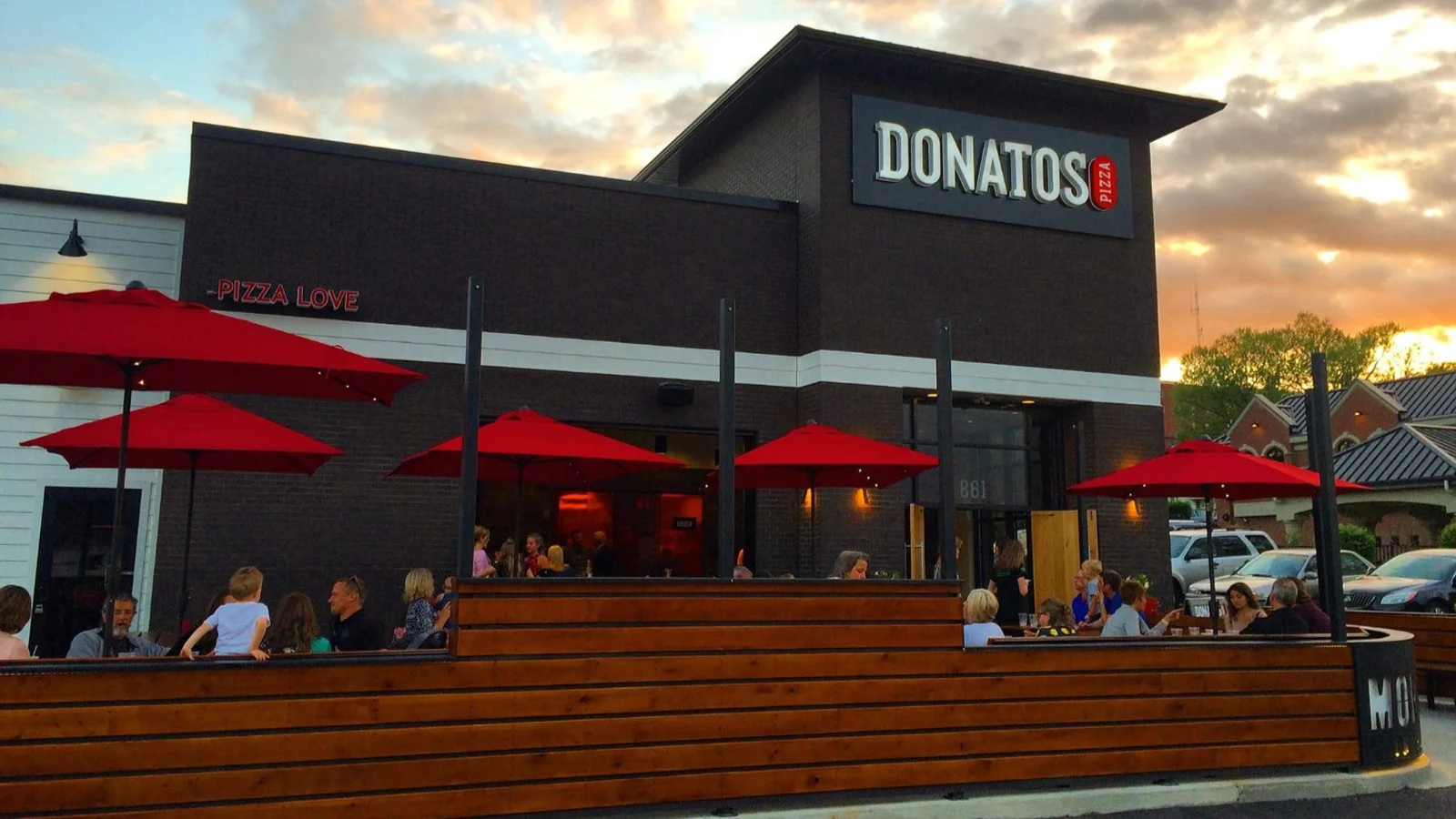
For DonatosPizza, AI call centers handle routine orders, freeing staff to focus on execution inside the restaurant. The system has been in place since 2024, with customer satisfaction and order completion rates steadily improving as the technology has matured, Donatos CEO Kevin King said in a phone interview.
King sees automation less as a workforce replacement and more as a way to eliminate repetitive tasks employees don't enjoy.
"We talk about AI and automation not as a way to replace people but to free them from tasks they don't like to do or aren't good at," he said. "We're here to make customers and our guests happy and satisfied — not just with AI but by making it easier for our team members to win every day at their jobs," King said. "Jim Grote (Donatos founder) has always been on a quest to make our pizza-making system the best it could possibly ever be. The goal of automation (for us) is not to eliminate people, the goal is to make pizza more consistent."
Donatos has an AI task force that includes at least one member of every department. The group's goal is to strategically evaluate where leveraging AI makes the most sense rather than "chasing every trend," Nicole Scharlach, executive director of brand and digital marketing at Donatos Pizza, said in a phone interview.
Loyalty becomes a competitive advantage
While companies work to better AI and its best-use cases, they're also leaning in on how loyalty can help build better relationships with customers. Rather than simply rewarding repeat visits, loyalty programs have evolved into exclusive engagement platforms.
Domino's, for example, has increasingly used its rewards program to give members early access to limited-time offers and new menu launches before they're available to the general public. The strategy creates exclusivity while encouraging customers to remain digitally connected with the brand.
Donatos Pizza is currently reimaging its loyalty platform as a way to better connect with fans, who are already actively engaged, Sharlach said. As part of their current program, members of Donatos loyalty network participate in menu tastings.
"We use loyalty to conduct consumer intercept studies, menu tastings and help us define what our next menu innovation is going to be. It's a reward for them and we're getting a voice of the customer directly from them," said Scharlach.
As we reported before, personalization and loyalty are providing brands with more emotional value as messages are being created to drive more 1:1 connection.
"As marketers we've been saying 1:1 for a long time and (personalization) truly does get us to a granular 1:1 experience," said Sharlach. "Personalization helps us understand what customers value and then deliver experiences based on their preferences."
Not only with the right message, also in the way they prefer.
"We have been truly looking at the full communications ecosystem and how SMS, push and e-mail work in orchestration with each other. Some people may resonate more with a text or push than an e-mail message. We're finding when we identify behavioral preferences, we're getting richer engagement and that's really the goal."
Those digital relationships — coupled with consistency — are becoming increasingly valuable as customer acquisition costs continue to rise.
"We've never missed a weekly text or email in seven years; not even during COVID," Stanfield said. "Technology allows us to tell better stories and stay connected with our customers."
Related Media
Subscribe
Get the latest news and resources from Pizza Marketplace.
Recent Posts
Recent Podcasts