Food & Beverage
Protein power: How GLP-1s are reshaping consumer spend and menu innovation
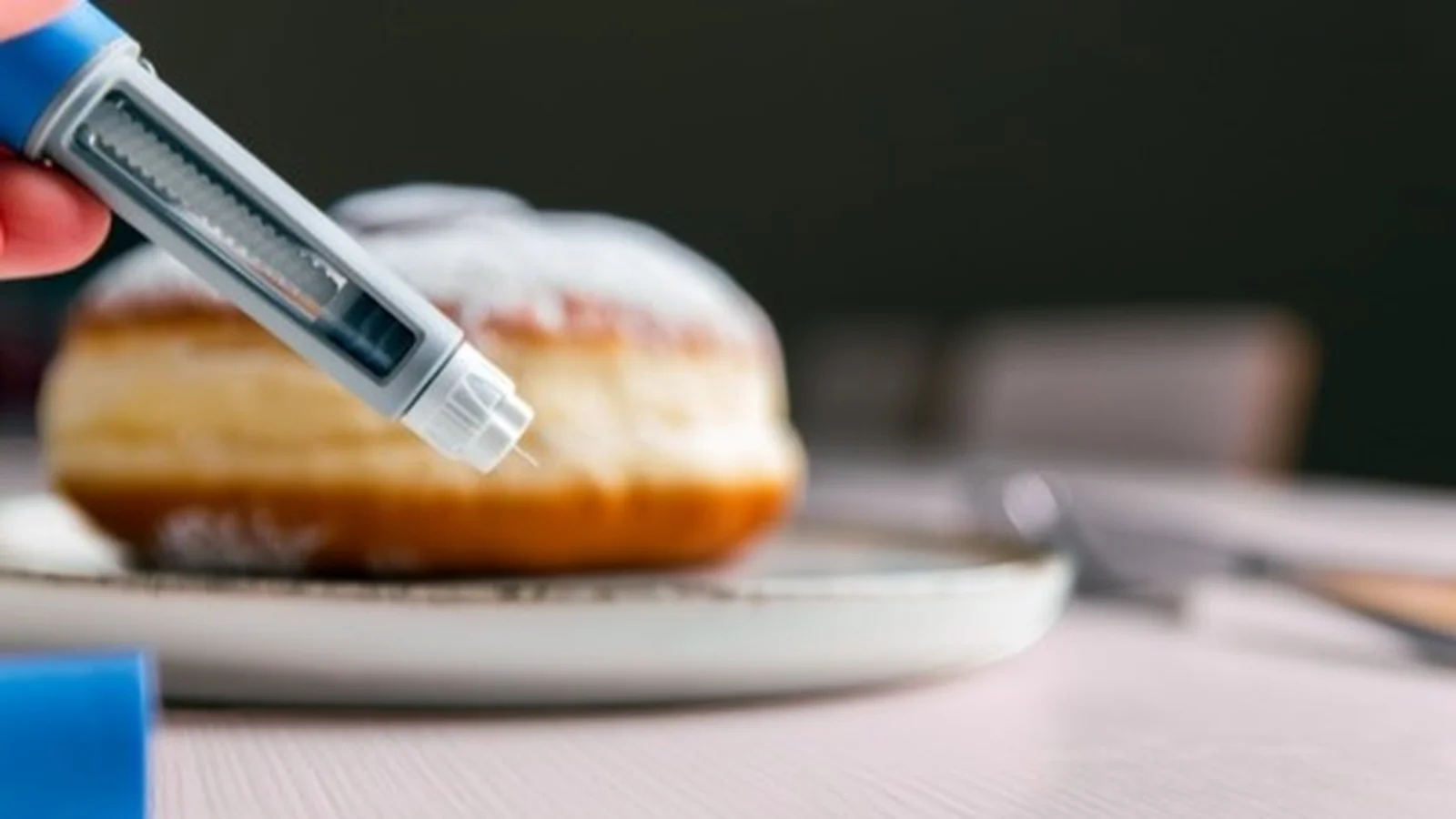
As GLP-1 medications change how Americans eat, pizza operators face a new challenge: How do you sell a food traditionally associated with indulgence to consumers who simply aren't as hungry? The answer may lie in smaller portions, protein-forward ingredients, customizable formats and a new level of nutritional transparency.
August 10, 2026 by Valerie Gritton
 ChatGPT
 Grok
Grok Perplexity
 Claude
It's no secret that Americans love pizza and ice cream. The combination is as much of an American staple as apple pie, the Statue of Liberty and the American flag. A slice of pizza can represent Friday night family dinners, while an ice cream cone can elicit a feeling of giddiness on a hot summer day. Whether eaten on separate occasions or one after the other during the same one (think, a child's birthday party or family celebration), and you have a recipe for success.
But as consumer attitudes toward food evolve thanks to the rise of GLPs, bigger is not always better, and too much of a good thing turns into, well … too much of a good thing.
In the past, restaurants have competed on abundance: larger portions, all-you-can-eat buffets, bigger baskets and value measured by quantity. Today, that equation is shifting as consumers taking GLP-1 medications rethink hunger, cravings and what satisfaction means to them.
Research suggests that larger portions no longer create a more enjoyable eating experience for consumers. In fact, larger portions do quite the opposite. A 2022 study published in Food Quality and Preference found that large portions of foods such as pizza and ice cream generated more negative emotional responses from consumers compared with smaller and regular sized ones. While eating the items themselves evoked feelings of joy and happiness, portion sizes came into question.
Researchers found that:
- Small and regular portion sizes were more frequently associated with emotions of happiness, relaxation and peace.
- Larger portions sizes were more frequently associated with emotions such as boredom, guilt and disgust.
This means consumers don't need more food to enjoy a meal. They simply need the right amount.
That insight is becoming increasingly relevant as GLP-1 medications transform consumer behavior. But what are GLPs and specifically, GLP-1s?
GLP's (glucagon-like peptides) are hormones that help the body regulate food intake, digestion, blood sugar and metabolism. The best-known is GLP-1, which helps people feel fuller, slows digestion and supports blood-sugar control. The rise in use of GLP-1s is what many restaurant operators are watching closely. And for good reason.
According to the 2026 PriceWaterhouseCoopers (PwC) GLP-1 Usage & Attitudes Survey, which surveyed more than 3,000 current, lapsed and considering GLP-1 users, per-household grocery spending has declined 5.5% among GLP-1 users as consumers have reduced their purchases of snacks, sugary beverages and alcohol. Their focus instead: fresh produce, protein and supplements.
This is posing a challenge for pizza operators as among GLP-1 households (now one in five) spending on pizza has decreased 22.2%, according to the survey. And for quick-service restaurants overall, spending has dropped 8.7% for consumers after six to eight months of medication use.
"Atkins was probably a fad, but it was underlying the trend of health which has just continued over and over and now we're onto GLPs. So, we're trying to match what people might like," said Home Run Inn Pizza CEO Dan Costello during a zoom interview.
Rather than reinvent the brand, Home Run Inn is upgrading its menu choices to appeal to health-conscious consumers, something pizzeria operators across the board are looking into more deeply. Home Run's menu choices include its Power Hitters, a protein-focused menu selection, and its Ultra Thin Tavern frozen pizza line designed for calorie-conscious consumers.
While Americans' usage of GLP-1s are influencing the brand, Costello and others say they won't make menu changes that alienate their core audience. The goal instead is to create something that also appeals to those diners.
Mattenga's, for example, is leaning into a new protein-forward crust made of ground chicken while Donatos is leveraging its cauliflower crust to appeal to GLP-1 diners. The chain's cauliflower crust is already on the menu; however, the trick, says Donatos CEO Kevin King, is to better communicate it.
For the first time, King says the company is focused on sending marketing messages that highlight the crust as a way to reach health-conscious diners.
"We are shifting our menu, sending protein messages, and pulling out where (diners) can get lots of protein (from items) on our menu," King said. "Is pizza going to disappear because of GLPs? No. It's a game-changer for Americans and we just have to adjust."
The GLP-1 user
According to PwC's GLP-1 Usage & Attitudes Survey, GLP-1 users and adoption continues to accelerate.
- Twenty-one percent of U.S. households now include a current GLP-1 user, more than double the 9% reported in January 2025.
- 54% of users surveyed have been taking GLP-1 medications for more than one year, up from 38% in 2024.
- 37% of current users are taking GLP-1 medications solely for weight loss, up from 24% in 2024.
These shifts are affecting food spending patterns and how, and where, consumers spend. And this is where we get back into the conversation about less being more.
If anything, GLP-1 medications are reducing what many users describe as "food noise," the constant mental pull toward snacks, cravings and impulse eating.
"That noise powered decades of growth in packaged food, sugary beverages, and QSR. With food noise reduced, so are the triggers that the modern consumer economy was built to monetize," Ali Furman, consumer markets industry leader at PwC and author of the GLP-1 consumer trends 2026 report: "The end of more: How GLP-1 users shop, eat, and seek support," said in the report.
For restaurant operators, that means the reconsideration of past assumptions about portion size and value. According to the PwC survey:
- 35% of GLP-1 users want smaller portions at proportionally lower prices.
- 32% want half-portions or split plates without paying an upcharge.
This makes the message clear: consumers are not asking restaurants to remove their enjoyment from eating; they are asking brands to better control portion sizes and pricing.
"The brands that move first stand to win loyalty from a segment that's actively telling operators what it wants, and noticing who isn't listening," Furman said in the report
Related Media
Subscribe
Get the latest news and resources from Pizza Marketplace.
Recent Posts

Recent Podcasts