Marketing
The new state of pizza Part 4: Winning the next chapter
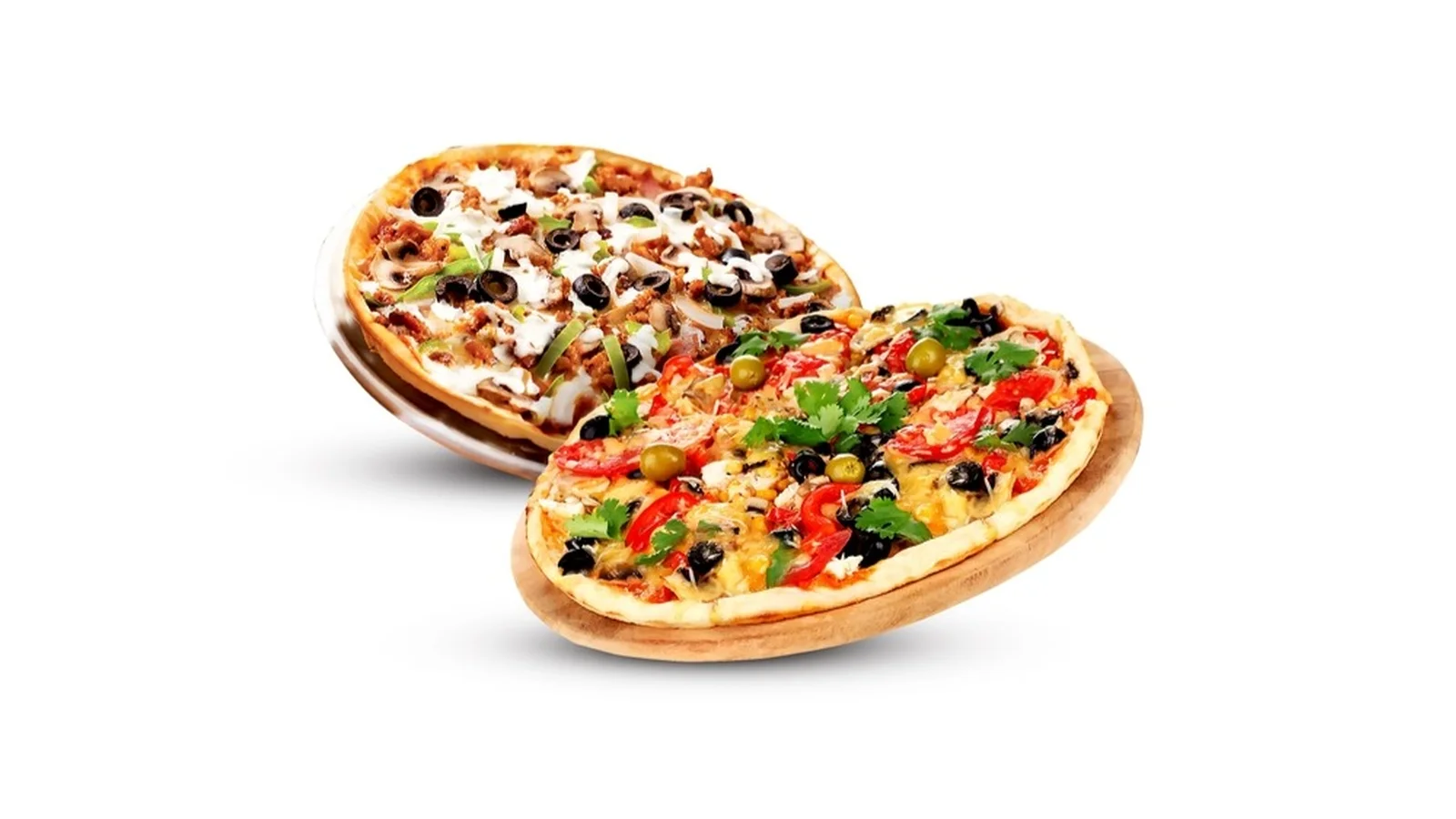
In the final installment our new state of pizza series, we explore how the pizza brands that succeed in the next decade won't simply be the most automated; they'll be the ones that use technology to empower employees, strengthen customer relationships and preserve pizza's unique role as a meal centered on sharing, family and joy.
August 4, 2026 by Valerie Gritton
 ChatGPT
 Grok
Grok Perplexity
 Claude
Editors note: This is the fourth article in our 4-part series on the new state of pizza. This four-part series explores the trends and technology shaping the future of pizzerias, examining how AI is defining growth, the new era of pizza marketing, and how rising costs and consumer spending are redefining value.
The pizza industry has always adapted to changing consumer expectations, but the next decade will require operators to think beyond the traditional restaurant model. Emerging technologies and AI-powered analytics are transforming everything from loyalty platforms to kitchen operations, employee training, food safety, labor management and customer experience.
At the same time, the rise of GLP-1 medications is reshaping dining habits, forcing brands to reconsider menu development, portion sizes and value propositions for consumers who are eating differently.
GLP-1 medications represent one of the biggest disruptions facing the pizza industry. As of May 2026, an estimated one member per every five households on a GLP-1 product, according to research from PricewaterhouseCoopers (PwC). This underscores the growing influence these medications may have on food purchasing and dining habits.
According to the PwC survey, spending on pizza is down 22.2 per GLP-1 household after six to eight months, with half of current and lapsed users saying restaurants haven't caught up. Thirty-five percent of survey respondents want smaller portions at proportionally lower prices, and 32% of consumers want half-portions or split plates without the upcharge.
Overall, the operators who will win the next phase, similar to COVID, are those who can pivot, enhance their menu to reflect the GLP1 audience and communicate that to consumers, without undervaluing their core offering.
"This is something that should concern us and benefit us," said Donatos Pizza CEO Kevin King of rise in GLP-1 use.
Rather than dismiss the use of GLPs as another diet trend, King views them as a fundamental shift in consumer behavior that restaurants will need to address. For Donatos, and others, such as Mattenga's Pizza and Home Run Inn, that means emphasizing protein-rich menu items and repositioning products already on the menu to appeal to guests seeking higher fiber or lighter dining options.
The family meal occasion that has long defined pizza remains intact, King said, but the purchasing decisions within those households may begin to change as consumers alter how and what they eat.
"The brands that move first stand to win loyalty from a segment that's actively telling operators what it wants, and noticing who isn't listening," said PwC Consumer Markets Industry Leader, Ali Furman, in the GLP-1 consumer trends 2026 report. "The end of more: How GLP-1 users shop, eat, and seek support."
Employee retention and engagement
As brands move to address changing consumer needs on the menu, they're also relying on technology as a bridge to enhance both the employee and customer experience.
Donatos, for example, is looking into the use of vision technology in its restaurants (through the use of security cameras in its locations) to help employees improve on their performance and tasks. through the use of security cameras to track cleaning habits, store cleanliness, bussing times, and how procedures are followed.
King said the goal is to help employees improve by giving them objective feedback on their performance, much like athletes use game film to refine their skills.
"If people (such as football players) at the top of their profession (watch) videos as a way to enhance their performance, I think what can it do for our people," he said.
Until that day comes, technology will continue to act as a catalyst for removing operational friction, especially at the point of ordering.
"The operator that makes ordering easier for guests is going to win," said Mattenga's Pizza co-owner Enga Stanfield.
So are the operators who understands that joy is also part of the winning equation, whether that's created through a deeper loyalty program, more personalized communications or a combination of each as it pertains to a more customer-centric approach.
The power of joy
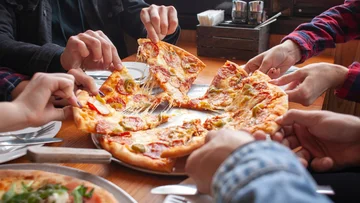
Long before AI and talk of GLPs entered the conversation, pizza occupied a unique place in consumers' lives. It's a meal built around sharing, family gatherings and celebrations, all occasions that technology can enhance but never will replace.
In the ridiculously popular 2017 DiGiorno Power of Pizza Study, facial recognition and mood tracking technology discovered that people's joy increased 24% when the smell of pizza was wafting through their kitchens. And every operator interviewed for this series all mentioned the same word — joy — when speaking about pizza and what it can deliver beyond food.
That's why Dan Costello, CEO of Home Run Inn Pizza, believes operators should think beyond the product itself and focus on the role pizza plays in people's lives. Whether it's providing comfort, bringing families together or creating small moments of happiness, pizza occupies a unique emotional space that few restaurant categories can replicate, he said. Brands that understand and communicate that purpose are better positioned to build lasting customer loyalty than those competing on convenience or price alone.
Pizza delivers "little bursts of joy," Costello said, that keep customers coming back, making it more than just another menu item.
Overall, in an increasingly competitive marketplace, AI may not determine which pizza tastes best. But it could determine which restaurant consistently delivers the best experience.
"If we learned anything in COVID is that humans still desire human connection. As restaurant operators, we have to improve the connection with our guests rather than move them further away from us," said King. "The biggest thing for our operators is how do we get back to growth and back to COVID volumes. We do that by engaging guests and giving them a great experience. Pizza is meant to travel and I love that about it. The other thing I love is it's about sharing, family and fun. That's what excites me about this category and the future. In the end, guests want great food delivered at home and pizza wins."
Related Media
Subscribe
Get the latest news and resources from Pizza Marketplace.
Recent Posts

Recent Podcasts