Operations
The $250,000 gamble that launched California Pizza Kitchen
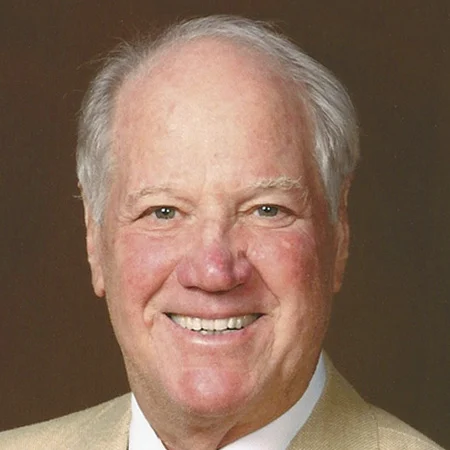
In the first installment of this two-part series, California Pizza Kitchen co-founder Rick Rosenfield recounts how he and law partner Larry Flax walked away from successful legal careers, mortgaged their homes and borrowed from friends and family to launch a restaurant concept that would help redefine American pizza.
October 12, 2026 by Valerie Gritton
 ChatGPT
 Grok
Grok Perplexity
 Claude
Rick Rosenfield risked everything to build California Pizza Kitchen. What he learned was worth more than the business. From mortgaging his home to building a global restaurant brand, the California Pizza Kitchen co-founder reflects on entrepreneurship, the power of kindness and why company culture can make or break a business.
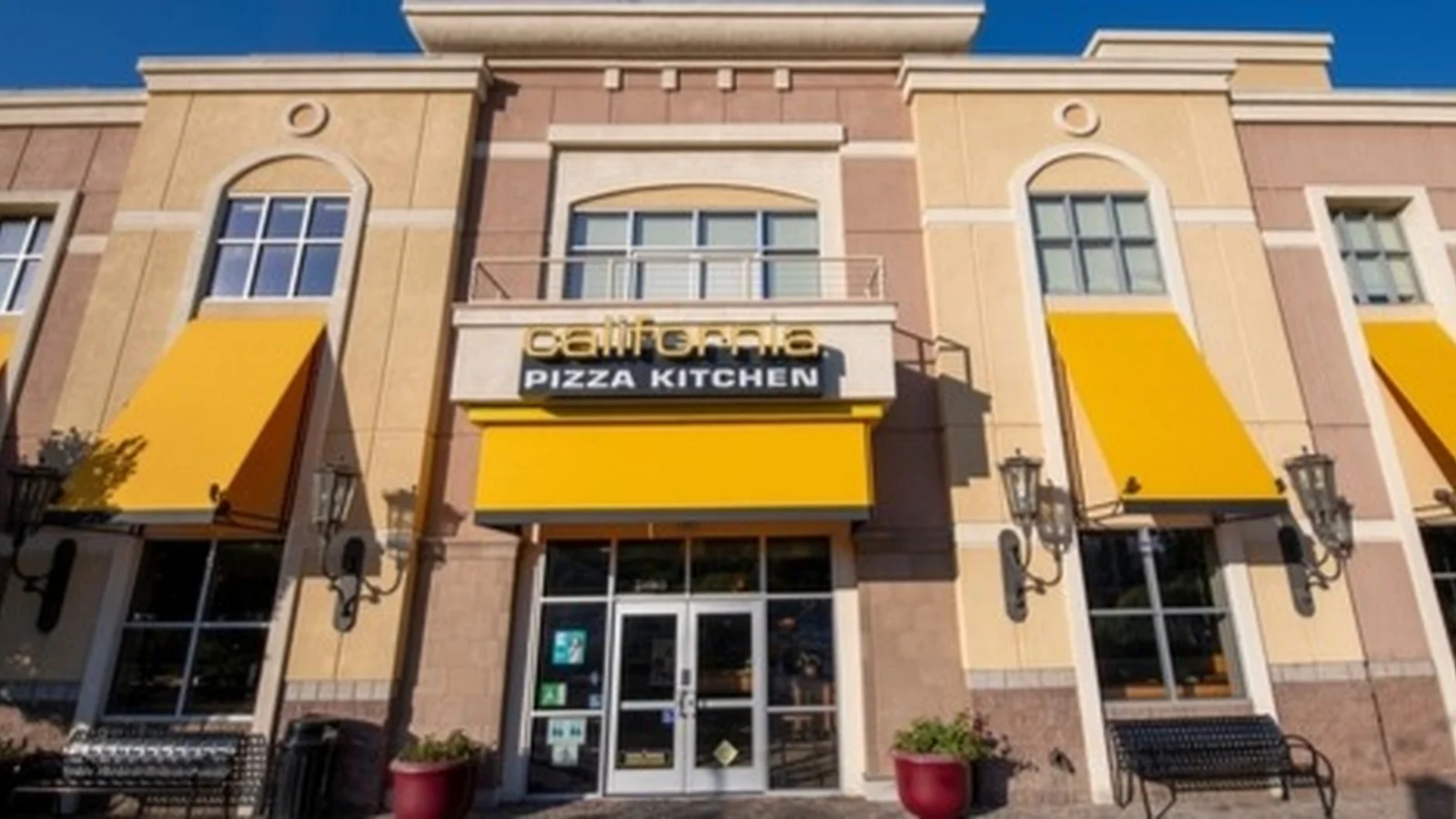
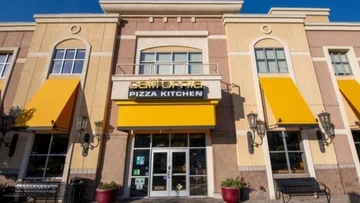
When California Pizza Kitchen opened its doors in Beverly Hills, California, in 1985, Rick Rosenfield's wife, Esther, was its first hostess.
 She had grown up working in her father's diner in Birmingham, Alabama, and thought those days were behind her when she married a successful attorney. Seven years into their marriage, with a 2-year-old daughter at home, her husband had other ideas.
Rosenfield and his law partner, Larry Flax, were about to trade their successful legal careers for an untested restaurant concept, California Pizza Kitchen. They had personally guaranteed the restaurant's lease, mortgaged their homes and borrowed $250,000 to get the business off the ground.
And that was just the beginning.
"We put that $250,000 into the business very quickly," Rosenfield recalled in a Zoom interview with Pizza Marketplace.
What they hadn't realized was that the contractor's original estimate didn't include kitchen equipment, computer systems, training or inventory. Suddenly, their $250,000 restaurant was looking more like a $500,000 investment.
They turned to friends and family, approaching roughly two dozen people for financial support. Twenty-two said yes.
Now, not only were their homes and financial security at risk, but so were the investments of the people who believed in them.
And when the restaurant opened, another unexpected consequence emerged. The legal referrals that had supported their successful criminal defense practice disappeared.
"We had no income all of a sudden," Rosenfield said.
For a young family accustomed to the security of a successful professional career, the stakes couldn't have been higher. Yet it was a gamble that would eventually help transform the American pizza industry.
What Flax and Rosenfield did was no small feat. As inscripted in Rosenfield's book, "The California Pizza Kitchen Story," by Thomas Keller, owner, chef and operator of The French Laundry:
"There's something profoundly human about leaping into the unknown, trusting your instincts when reason says to stay put. … This isn't just a story about pizza — it's about purpose, persistence and the beauty of taking risks that can change everything."
From the courtroom to the kitchen
Before becoming restaurateurs, Rosenfield and Flax had built successful careers as federal prosecutors and criminal defense attorneys, specializing in complex federal cases.
They had entertained various business ideas over the years, but lucrative legal work repeatedly pulled them back.
Pizza, however, offered something different. Maybe, even, a chance to dream.
In the early 1980s, a new approach to pizza emerged in California when Alice Waters helped popularize fresh, unconventional toppings. Meanwhile, Wolfgang Puck was introducing pizza creations at Spago that featured ingredients such as smoked salmon and duck sausage.
It was then that Rosenfield and Flax saw an opportunity to bring that style of pizza to a wider audience and initially thought of their concept as "Spago for the masses."
In their business plan, Rosenfield went even further, declaring that they intended to create the country's third major pizza style alongside New York and Chicago.
"I had no reasonable way to believe it. It was just our vision, our dream," he said.
On March 27, 1985, the first California Pizza Kitchen opened with just 67 seats.
Its first customer was actress Shirley MacLaine, who saddled up to a table and ordered a cup of coffee (rather than the BBQ Chicken Pizza the founders hoped she would try). No one knows if it was clairvoyance or thirst that made her pick CPK that day; but within 30 minutes of her arrival, the line to get in was out the door.
"She sits down and she orders a cup of coffee because her agent's in the same building on the floor above us," Rosenfield said. "But 10 minutes later, (the restaurant) starts filling up and we are packed. Can you imagine, in a 67-seat restaurant, that all of a sudden there's 30 people on the street waiting. And that went on for a year."
The BBQ Chicken Pizza quickly became a signature item and a customer favorite, helping distinguish CPK from traditional pizzerias.
Word spread and developers began approaching the founders about bringing the concept into upscale shopping centers. Something they were willing to try.
"We saw with our second, third, fourth, fifth and sixth restaurants, that putting them in shopping centers was where we needed to be," he said. "Because we were trying to create a family restaurant where you could go with your mother, your kids, your grandparents, and where everybody found something that they wanted at CPK."
But even as the restaurant gained momentum, Rosenfield and Flax were about to discover that a popular product alone wasn't enough to build a sustainable business.
*In Part 2, Rosenfield reveals the defining moments that shaped CPK's culture and the lessons in leadership, kindness and entrepreneurship that proved more valuable than the business itself.
Related Media
Subscribe
Get the latest news and resources from Pizza Marketplace.
Recent Posts


Recent Podcasts