Operations
What the 2026 midterm results could mean for restaurants
The 2026 midterm election results could reshape federal policy affecting restaurant brands, putting immigration reform, credit card processing fees and trade policies in focus.
November 4, 2026 by Cherryh Cansler , Valerie Gritton
 ChatGPT
 Grok
 Perplexity
 Claude
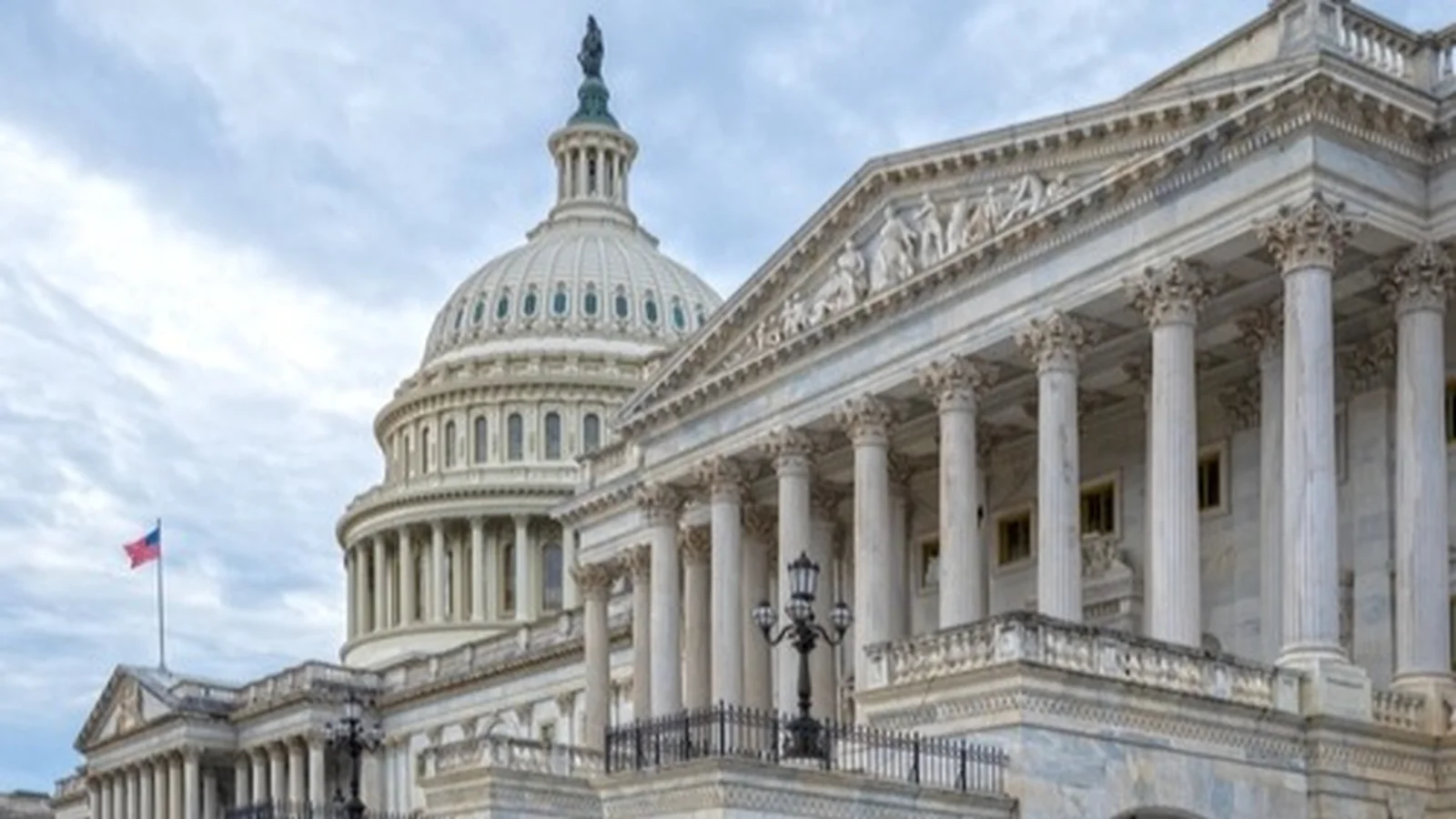
The 2026 midterm elections have reshaped the political landscape in Washington, D.C., giving Democrats control of both the House and Senate and setting up a divided government for the final two years of President Donald Trump's term.
For restaurant brands, the results could influence federal policy on several issues with direct implications for operating costs, workforce availability, franchise relationships and consumer spending.
Two major industry organizations are already pressing lawmakers to act. The National Restaurant Association is calling for progress on immigration reform, credit card swipe fees and trade policies, while the International Franchise Association is urging Congress to pass the bipartisan American Franchise Act before the end of the year.
Together, their priorities reflect the challenges facing restaurant operators as they work to manage expenses, maintain access to workers and keep dining affordable.
Workforce policy and franchise rules
Immigration is likely to remain one of the most consequential issues for restaurant operators. The National Restaurant Association is advocating for comprehensive immigration reform that protects the existing workforce, updates the work visa system and creates a more modern framework for future hiring.
The organization has previously reported that nearly one in four restaurant workers is an immigrant, underscoring the industry's exposure to changes in federal immigration policy.
A Democratic-controlled Congress could bring renewed attention to worker protections and immigration reform, although reaching agreement with the Republican administration may prove difficult. For restaurant brands, the practical concern is having access to a reliable workforce in an industry where labor availability directly affects operating hours, service and growth.
Franchise employment rules are another workforce issue drawing attention. Following the election, the International Franchise Association called on Congress to prioritize passage of the American Franchise Act during the remainder of the 119th Congress.
The legislation, which passed out of the House Education and Workforce Committee in July and has 158 House cosponsors, would establish a permanent standard under the Fair Labor Standards Act and National Labor Relations Act clarifying when a franchisor shares legal responsibility for a franchisee's employees.
The issue has long been a source of uncertainty for franchised businesses, according to the IFA, which says joint employer rules have shifted through legal challenges and policy changes from one administration to the next.
"IFA congratulates this year's winners and looks forward to working with both parties to protect franchise small businesses and the nine million working Americans they support," Matt Haller, IFA president and CEO, said in a statement.
"With affordability clearly top of mind for voters, Congress has a narrow window to bring immediate relief to America's 832,000 franchise small businesses by passing the bipartisan American Franchise Act," he said. "Franchises pay workers well, and keep prices low for high-quality goods and services, and the American Franchise Act would enable them to do both for the long-term. With further uncertainty looming in the courts, small businesses can't afford to wait."
The IFA said the legislation has bipartisan support in both chambers, along with backing from the White House, the House Problem Solvers Caucus and organizations across the franchise community.
The association's request is directed at the current Congress, with the goal of securing passage before year-end. That makes the lame-duck session an immediate focus for franchisors and franchisees, even as the new political balance in Washington sets the stage for future policy debates.
Swipe fees and trade policy
Credit card processing is another priority with broad implications for restaurant profitability.
The National Restaurant Association supports the Credit Card Competition Act, which would introduce more competition into the credit card processing market. The association identifies processing fees as the third-largest operating expense for many restaurants, behind food and labor, and argues that greater competition could reduce costs for operators.
The legislation could receive renewed attention in the new Congress, particularly as lawmakers consider ways to address affordability for businesses and consumers. However, its prospects remain uncertain, and any potential savings would depend on the legislation advancing and producing meaningful changes in processing costs.
Trade and tariffs also are likely to remain in focus. Restaurants depend on domestic and international supply chains for ingredients, beverages, equipment and other operating necessities. Changes in tariffs or trade agreements can introduce additional costs and uncertainty, particularly for businesses that rely on imported products.
The National Restaurant Association has called for predictable trade policies and continued tariff exemptions for products covered by the U.S.-Mexico-Canada Agreement. Its position reflects concerns that higher import costs could ultimately reach restaurant menus and consumers.
Affordability remains the bigger consumer issue
Beyond individual policy priorities, the election results reinforce a broader concern for restaurant brands: affordability.
Consumers are weighing menu prices against household budgets and becoming more selective about when and where they dine. That puts pressure on restaurant operators to absorb rising expenses without pricing customers out of the market.
"Restaurants are at the intersection of the nation's affordability conversation, managing increasing costs and decreasing margins as their customers scrutinize every dollar they spend," Michelle Korsmo, president and CEO of the National Restaurant Association, said in the organization's Nov. 4 statement.
The association represents an industry with 15.7 million employees across nearly 1 million locations. It also reported that 42% of restaurant operators were not profitable in 2025, highlighting the difficulty of absorbing higher costs while customers scrutinize spending.
For chains, the pressure extends beyond pricing. Value platforms, promotions, loyalty programs and menu innovation will remain important tools for demonstrating that a restaurant visit is worth the expense. Operators also will need to evaluate where efficiencies can be found without compromising the customer experience.
For restaurant brands, the immediate focus is on whether Congress acts on the American Franchise Act before the end of the year. Beyond that, operators will be watching how the new political landscape shapes policies affecting labor, payments and supply chains.
The outcome could influence the cost of doing business across the industry, but restaurant brands will still need to manage the factors closest to their operations: food and labor expenses, traffic, pricing and the value they deliver to consumers.
About Cherryh Cansler

Related Media
Subscribe
Get the latest news and resources from Pizza Marketplace.
Recent Posts

Recent Podcasts