Marketing
Winning the value conversation Part 2: The new era of pizza marketing
Winning the value conversation requires more than promotions. As pizza brands compete for increasingly selective consumers, operators are investing in stronger brand identities and authentic storytelling that create lasting customer connections beyond price.
July 20, 2026 by Valerie Gritton — Editor, Pizza Marketplace
 ChatGPT
 Grok
Grok Perplexity
 Claude
Editors note: This is the fourth article in our 4-part series on the new state of pizza. This four-part series explores the trends and technology shaping the future of pizzerias, examining how AI is defining growth, the new era of pizza marketing, and how rising costs and consumer spending are redefining value.
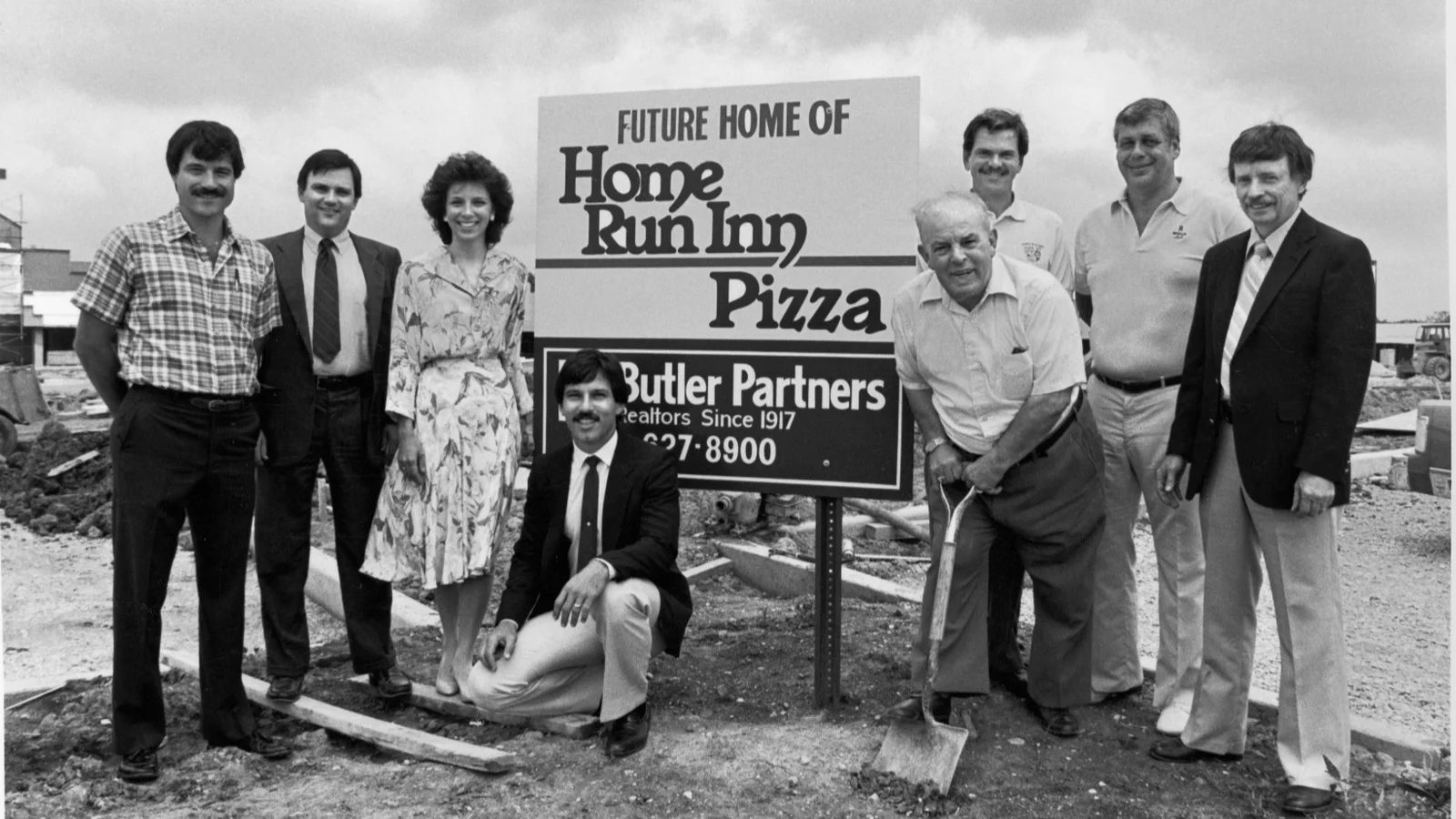
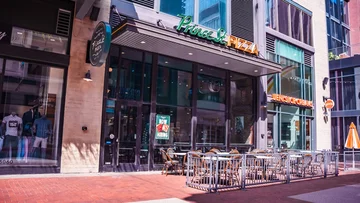
When Home Run Inn Pizza tapped full-service marketing agency quench to provide full-scale marketing support for the chain's restaurant and retail brands, it marked a turning point for the 80-year-old brand.
The move reflects a broader shift taking place across the pizza industry. As consumers become more selective about where they spend their dining dollars, operators are discovering that winning the value conversation requires more than promotions and limited-time offers. It starts with a clear brand identity — one that gives customers a reason to choose a pizzeria beyond price.
For Home Run Inn's CEO Dan Costello that means leaning into the stories that differentiate Home Run Inn and building a better bridge between their frozen pizza and restaurant business. "The time was right," said Costello in a Zoom interview with Pizza Marketplace, for a deeper dive into what makes Home Run Inn unique.
Rather than competing on discounts alone, Home Run Inn and quench executives are focused on amplifying the brand's history and personality — qualities that have been "underleveraged," said quench CEO Michael Pavone in a Zoom interview, despite the company's eight decades in business.
The restaurant chain started as a tavern in Chicago, serving slices of square-cut "overly" salted pizza on beverage napkins to customers (the salt, Costello said, was to get customers to order more beer). It became an official pizzeria in 1947 and has grown since then into include six Chicago-area locations and retail line of par-baked frozen pizzas.
Through the partnership with quench, Costello and Pavone see an opportunity to extend consumer awareness through the stories that make Home Run Inn unique.
Even the brand's name is rooted in its history. Located next to a baseball field, the original restaurant earned its moniker after neighborhood kids routinely hit baseballs through its windows. It's that kind of authentic heritage that Costello and Pavone believe will resonate with consumers. That's why, despite the brand's 80-year legacy, Costello has invested first in defining a clear brand architecture and archetype, and that will determine where the company's marketing move goes next.
By codifying its story and identifying the qualities that make it distinctive, he said the company now has a framework to guide every customer touchpoint — from advertising and social media to menus, signage, its website and even employee training.
The goal, says Costello, is to become a brand that is more than distinctive.
According to Orbital, there are approximately 75,000 pizza-specific restaurants operating in the U.S. today, with about 60% independently owned or small multi-unit operators. In such a crowded segment, standing out requires more than simply being different.
"Different is fine, but different and memorable is really what we want to be," Costello said.
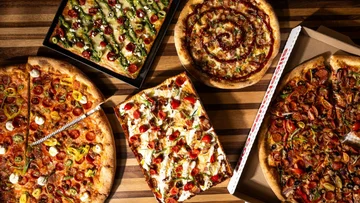
For Home Run Inn, being different and memorable extends beyond its four walls as every touchpoint, from its dining rooms to the frozen pizza aisle, is an opportunity to reinforce and complement the same brand story. And part of that story involves Home Run Inn's frozen pizza line, which Costello and Pavone see as an extension of the brand rather than a competing channel.
"We feel they're synergistic for us, Costello said. "The restaurants have allowed us to enter the frozen aisle, and the frozen aisle allows us to have reach. And I think it gives people the opportunity to enjoy the brand at either our house or their house."
Finding your success
For quench CEO Michael Pavone, operators can win by focusing on their local communities. "Own your backyard," he said. "Instead of putting money into your sales message, you have to tell your story. If you're small, you probably have an authentic story. Most family businesses started because someone had an idea and built it from there, and this country is full of those stories. Make your story simple and clear, put it where people are looking, and be visible in your community."
Owning your backyard doesn't mean marketing through deep discounts or a smattering of coupons to drive visits and sales. Instead, it means understanding your brand, telling your story and recognizing what it represents to guests, many of whom find joy in a shared meal or experience with family and friends.
"Right now, we think of the brand as a guide helping someone along their daily journey," Costello said. "Whether people are eating our pizza in our restaurants or buying it frozen and eating it at home, we're helping create little moments of joy or comfort. Mom doesn't have to cook, and nobody fights over pizza. They might fight over the last slice, but they don't fight about having to eat it."
Home Run Inn's journey underscores — and can potentially lead the way — for a broader shift taking place across the pizza industry: as operators compete for increasingly selective consumers, the brands that stand out will be the ones with the clearest sense of who they are.
"A lot of businesses want to spend $10 and immediately turn it into $15," Pavone said. "That's important, but if you don't know what your brand is, who you are or what you stand for, then you're just competing on price."
In the end, Home Run Inn isn't just uncovering its history — it's rediscovering its brand promise. And for pizzeria operators looking to win the value conversation, marketing tactics, loyalty programs and personalization will work best when they're built around a brand that knows who it is and what it stands for.
"The best definition I've ever heard is that a brand is a promise," Pavone said. "People know what Nike or BMW stands for before they ever make a purchase. And that's what creates perceived value."
Related Media
Subscribe
Get the latest news and resources from Pizza Marketplace.
Recent Posts
Recent Podcasts