Operations
What a CPK co-founder’s long view says about building a brand that lasts
Building a restaurant brand that lasts requires more than a strong concept, menu or financial backing; it requires a culture that engages employees, encourages accountability and gives people a shared sense of purpose.
November 23, 2026 by Valerie Gritton — Editor, Pizza Marketplace
 ChatGPT
 Grok
 Perplexity
 Claude
Building a restaurant brand that stands the test of time takes more than a great concept, a differentiated menu or access to capital. It takes a culture that gives people a reason to show up, take ownership and believe in what they are building.
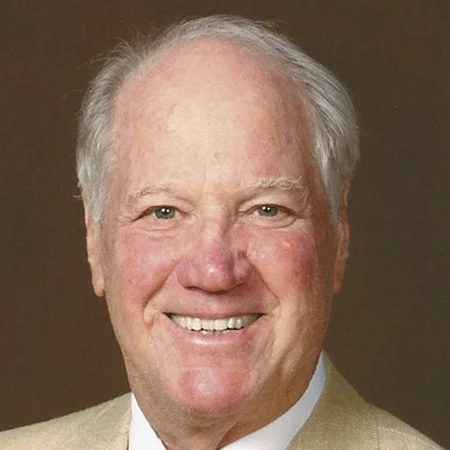 That was one of the central lessons shared by California Pizza Kitchen (CPK) co-founder Rick Rosenfield, during an interview with Connect Media. Rosenfield will be speaking at the 2027 Restaurant Franchising and Innovation Summit, March 8-10, in New Orleans. His fireside will chat will attendees an intimate look at how the CPK co-founder and his partner, Larry Flax, built the business for longevity.
Looking back, Rosenfield said CPK started with a clever idea. The founders wanted to introduce a new style of pizza and believed they could revolutionize the category in America. But a promising concept was only the beginning.
"We realized very early we would be dead in the water if we didn't figure out how to manage people," he said.
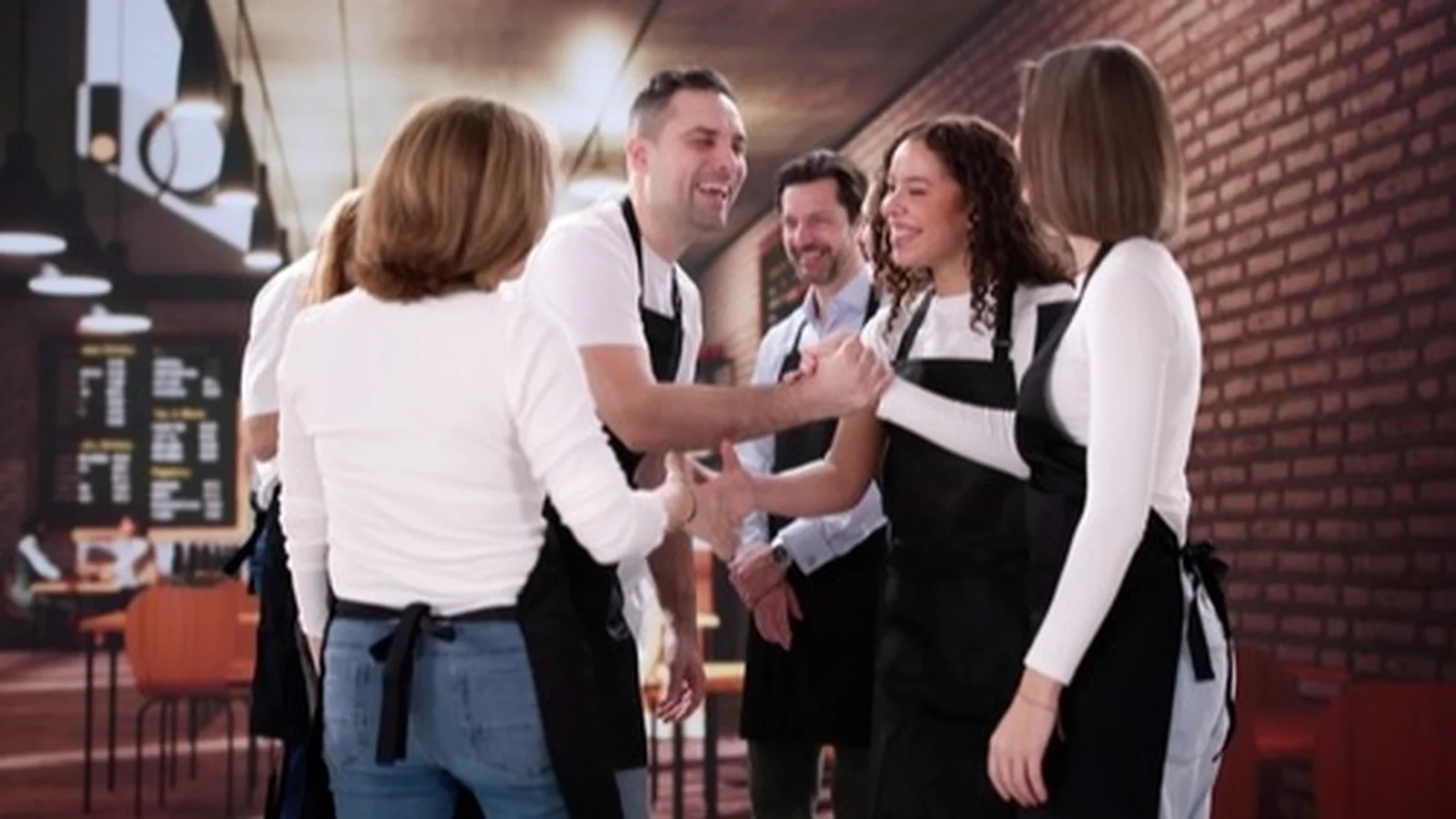
In 1985, the divide between front-of-house (FOH) and back-of-house (BOH) restaurant teams was a significant operational challenge. The two groups often didn't get along, and there was little mutual respect between the people preparing the food and those serving customers.
The tension became so pronounced that Flax stepped into the role of expediter, positioning himself between the two teams and personally handing out food. The message was straightforward: If the kitchen and dining room couldn't respect one another, the restaurant wasn't going to succeed.
The experience established an early principle that would become central to CPK's culture: the back of the house creates quality, while the front of the house connects with customers. Both are essential, and neither can succeed without the other.
"We broke that down and forced respect before we even understood the word culture," Rosenfield said.
Culture has to be real to scale
For Rosenfield, culture isn't a mission statement framed on a wall or a collection of values in an employee handbook. It has to be demonstrated in how people are treated, how decisions are made and what leaders expect from their teams.
His approach comes down to a few fundamentals: delegate, establish standards and hold people accountable.
"You treat people great; you have a vision that they're proud of, and you delegate responsibility and hold them accountable," he said. "If you don't have standards and you can't hold those standards and moral values high, you're not going to scale a business in today's environment."
In fact, he believes scaling a business today is almost impossible without meaningful employee engagement.
"People can throw money at successful companies, but that doesn't mean you can expand successfully," he said.
The ROCK behind the culture
As CPK grew, the founders recognized the need to formalize the principles that had guided the company from the beginning.
Around 1993, the company developed ROCK, a framework that codified its core values and expectations. Rather than introducing an entirely new philosophy, it put into words the principles the organization had already learned through experience.
ROCK stands for respect, opportunity, communication and kindness.
The framework influenced how CPK identified and promoted leaders as and how it wanted its teams to perform.
Being a strong performer wasn't enough. People also had to demonstrate the character and attitude expected of a leader.
Ultimately, the goal is to create a workplace where people feel valued, believe in the company's direction and genuinely enjoy being part of its success," Rosenfield said.
For entrepreneurs looking to scale, Rosenfield's long view offers a reminder that growth requires more than a winning concept or a strong balance sheet. It requires leaders who can share their vision, trust their people, uphold their standards and create an environment where employees want to succeed.
If your growth strategy needs a fresh perspective, this is the room to be in. Join restaurant brand leaders March 8-10 in New Orleans for the Restaurant Franchising & Innovation Summit and get the insights, connections and ideas to take your brand to the next level.
Related Media
Subscribe
Get the latest news and resources from Pizza Marketplace.
Recent Posts

Recent Podcasts