Marketing
The psychology of pizza: Why great marketing starts with understanding people
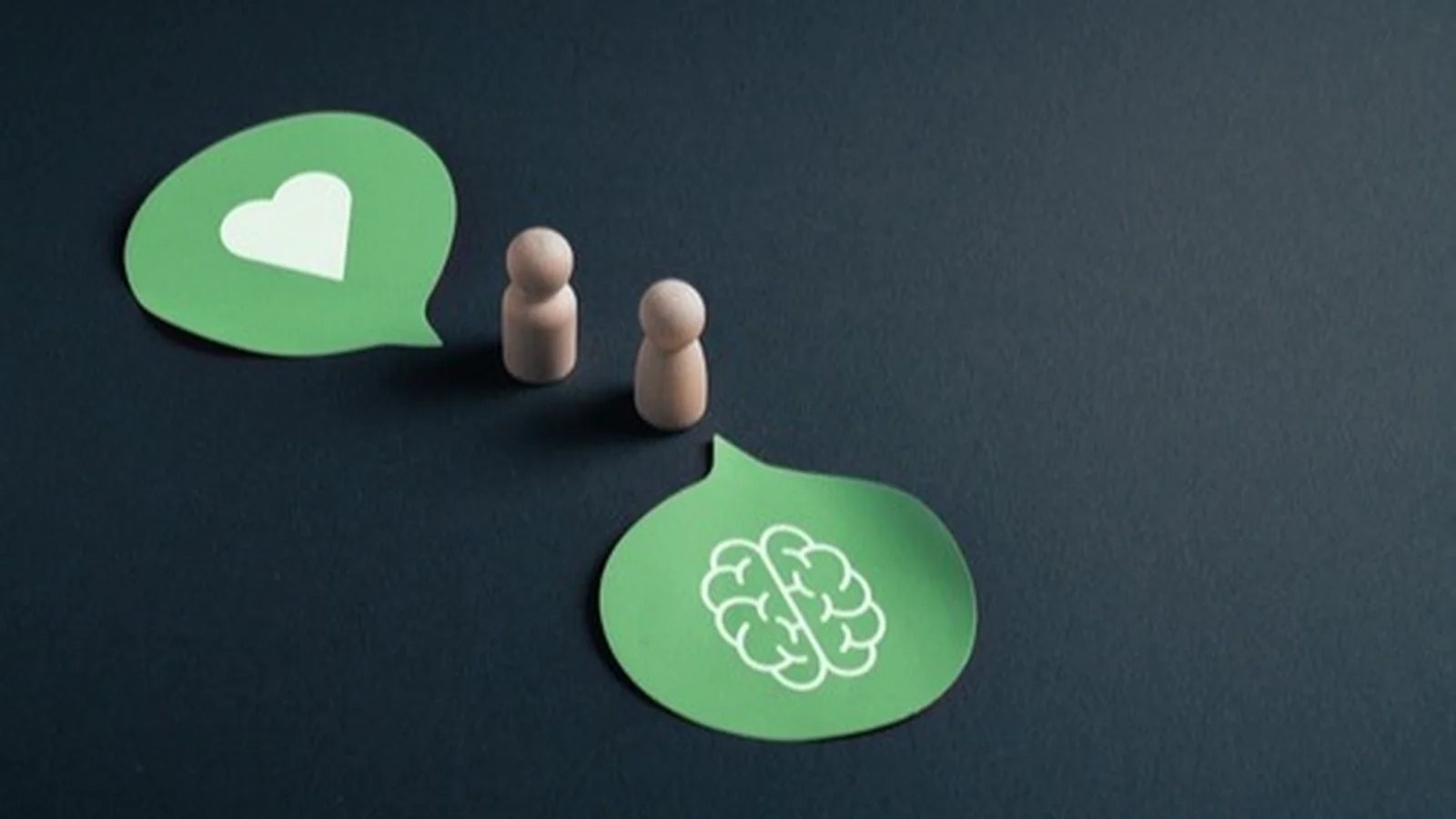
Marco’s Pizza CMO Steve Kennedy argues that understanding consumer psychology is the key to effective restaurant marketing. Drawing on more than 25 years of experience, he explores how habits, emotions and purchasing behaviors shape customer decisions, brand loyalty and the overall dining experience.
November 9, 2026 by Valerie Gritton — Editor, Pizza Marketplace
 ChatGPT
 Grok
 Perplexity
 Claude
With more than 25 years of marketing experience spanning Nestlé, Domino's, Noodles & Company and now Marco's Pizza, chief marketing officer Steve Kennedy has spent much of his career examining the relationship between consumer psychology and purchasing behavior.
His interest in the subject began well before his marketing career. He studied communications and psychology in college and initially considered becoming a psychiatrist.
That background continues to influence how he approaches marketing, particularly in an industry where food, convenience and emotion intersect.
"Restaurants are the ultimate behavior laboratory," Kennedy said during a Zoom interview with Pizza Marketplace.
Millions of consumers make restaurant decisions in real time, creating an opportunity to observe what motivates them, what influences their choices and what ultimately brings them back.
The challenge, Kennedy said, is distinguishing between what consumers say they do and what actually drives their behavior.
For example, a family decides it's pizza night. Nobody opens five restaurant apps to compare menus or reads a dozen online reviews. They order from the place they know, choosing the familiar combination that's become part of their routine, Kennedy said.
They make choices based on habit, emotion, social cues and experiences they may not even consciously recognize. Understanding those motivations is what Kennedy believes separates effective marketing from campaigns that simply generate attention.
"Every marketing decision is a behavioral one," Kennedy said.
Today, marketers have more data than ever to understand consumer behavior. They can track transactions, measure campaign performance, analyze ordering patterns and identify where customers abandon a purchase. But knowing what happened doesn't always explain why it happened.
Kennedy pointed to a familiar example: Consumers often say they want to eat healthier, make environmentally responsible choices or support certain practices. But their actual purchasing decisions don't always align with those stated intentions.
Psychology helps explain that disconnect.
People are influenced by social expectations, loss aversion, habits and other factors that may operate beneath their conscious decision-making. Consumers can often explain their behavior, Kennedy said, but they aren't necessarily able to identify what caused them to make a particular choice.
For restaurant marketers, that means surveys and transactional data only tell part of the story.
"Take advantage of all the data you've got," Kennedy said, emphasizing the importance of moving beyond the numbers to uncover the insight behind them.
For example, if customers abandon an item in their online shopping cart, the data identifies the behavior. But the underlying reason could be price sensitivity, confusion about the ordering experience or something else entirely.
The next step is experimentation: changing an element of the experience, testing the result and determining what encourages customers to complete the purchase.
That distinction between observation and understanding is central to Kennedy's approach.
Pizza is an emotional purchase
Pizza might seem like a straightforward product, but the occasion surrounding it can carry considerable emotional weight.
It can be the centerpiece of a birthday party, a family gathering, a Friday night tradition or a convenient solution after a long day. The food itself is only one part of the experience.
Kennedy described pizza as a product that can take an occasion from bad to good. But that emotional transition depends on getting the experience right.
A late delivery, an incorrect order or a missed pickup window can disrupt an entire meal, particularly when multiple people are counting on it.
"There's a lot of emotion based on doing basically what's just expected," he said.
Consider a birthday party. If a restaurant misses the window when the pizza is supposed to arrive, even by 10 minutes, the consequences extend beyond the transaction. The restaurant has potentially disrupted an important moment for an entire group.
That makes operational execution an essential part of the brand experience.
Kennedy said marketers need to recognize that friendliness at the door, an accurate order and having a carryout order ready when promised all contribute to the relationship a customer develops with a brand.
And even small interactions matter, especially if a delivery driver is being invited onto someone's property, Kennedy noted, making that interaction different from many other retail ones because it's more personal.
The product may be a pizza, but the emotional expectations surrounding it are much bigger, he said.
Understanding the psychology behind the order
One of the most revealing examples Kennedy discussed is the decision between delivery and carryout.
At first glance, the distinction might seem primarily financial. Customers choose carryout to avoid a delivery fee, while others are willing to pay for the convenience of having food brought to their door.
But Kennedy said the motivations can be considerably more nuanced.
Some customers prefer carryout because they want to check their pizza before leaving the restaurant. Others may feel uncomfortable having a stranger deliver food to their home. Some simply enjoy interacting with the people preparing their meals. And cultural differences also can influence those preferences.
Those motivations aren't always apparent in traditional consumer surveys, which may capture the stated reason without uncovering the deeper behavioral trigger.
Kennedy also offered a more personal example of how family dynamics can shape ordering decisions.
In some households, he said, there's a certain satisfaction in being the person who brings dinner home. If a father stays home and orders pizza, the delivery driver becomes the hero. If he goes to pick it up himself, he gets to be the hero instead.
It's a small distinction, but it illustrates how purchasing decisions can be influenced by identity, relationships and the role people want to play within their families.
For marketers, recognizing those tensions can create more meaningful opportunities to connect with consumers. And create marketing campaigns that speak to those behaviors that brands want to encourage.
For example, Marco's has adjusted some of its in-store practices around the psychology of the carryout experience. The company offers customers the opportunity to check their pizza before leaving, recognizing that some people feel awkward opening a box in the parking lot to verify their order. Removing that awkwardness is a relatively small operational adjustment, but it demonstrates how understanding customer behavior can influence decisions well beyond advertising.
"The best marketers aren't students of marketing; they're students of people," Kennedy said.
Value is more than price
Understanding consumer psychology also changes how restaurant marketers should think about value.
Kennedy challenged the assumption that lowering prices is always the most effective way to attract customers. He views value as the product experience plus the consumer experience, divided by the cost in both money and time.
A lower price can attract attention, but it doesn't automatically create a better value proposition. And if a restaurant reduces its price but fails to deliver on food quality, service or convenience, it may weaken the overall experience rather than strengthen the relationship.
Coupons and discounts also can influence how consumers perceive a product, potentially lowering its perceived value if the price becomes their primary reason to purchase.
For pizza brands, the equation is particularly important because so many variables influence the final experience. An order involves food preparation, timing, accuracy, delivery or pickup and interactions with employees.
Kennedy said consumers may be more forgiving when money is less tight. But as budgets become constrained, their tolerance for a poor experience decreases and that leaves operators with less room for error.
Related Media
Featured Vendor

HungerRush is the restaurant platform built for the way pizza and delivery businesses run. Serving independent delivery and carry-out operators since 2003, our all-in-one platform handles the complexity of the business with real, US-based support behind every location we serve.
Subscribe
Get the latest news and resources from Pizza Marketplace.
Recent Posts


Recent Podcasts